In the whirlwind of modern life, our kitchens have become dynamic hubs where efficiency meets culinary creativity. Among the many tools vying for counter space, the food processor stands out as a true game-changer, simplifying complex tasks and opening up a world of gastronomic possibilities. For over 15 years, I’ve seen firsthand how the right kitchen appliance can transform cooking, and when it comes to reliability and versatility, the Sunbeam Food Processor has carved out a significant niche. Let’s delve into what makes these machines tick, how to choose the perfect one for your home, and how to unleash its full potential.
Understanding the Sunbeam Food Processor Landscape
At its core, a food processor is designed to take the manual labor out of repetitive kitchen tasks like chopping, slicing, shredding, and pureeing. A Sunbeam food processor typically comes equipped with a powerful motor base, a work bowl, and a variety of interchangeable blades and discs that perform different functions. From finely dicing onions without tears to effortlessly kneading dough for your weekly bread, it’s an indispensable ally for any home cook looking to optimize their meal preparation.
Exploring Popular Sunbeam Food Processor Models
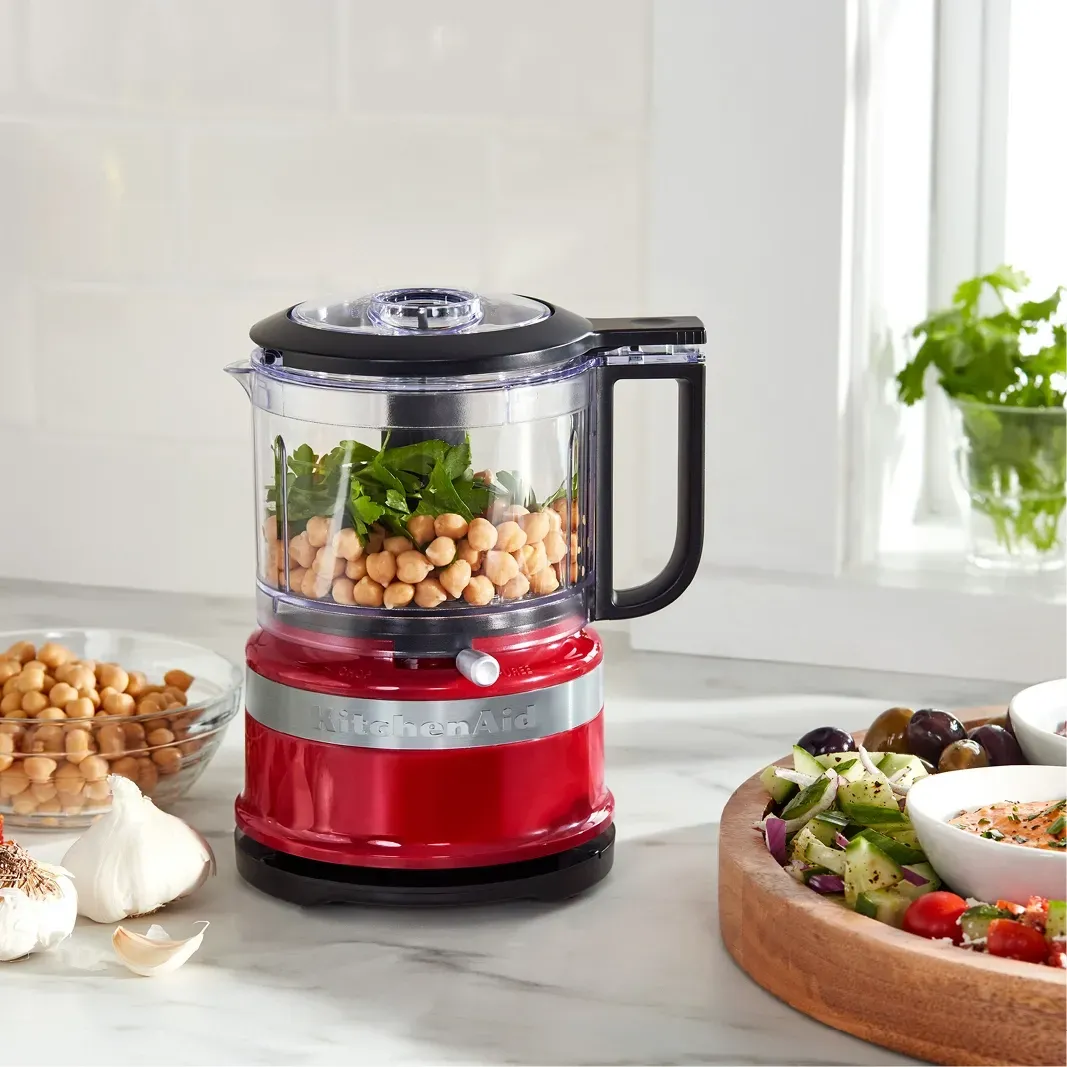
Sunbeam offers a range of food processors, each tailored to different needs and budgets. Understanding their key lines can help you make an informed choice.
The MultiProcessor Series: Models like the LC6200, LC6250, LC5500, and the Multi Processor Plus (LCP6000BK) are often the entry to mid-range options. They typically feature:
- Wattage: Ranging from 600W to 850W, providing ample power for most everyday tasks.
- Capacity: Processing bowls often come in 1.5L to 2L capacities, suitable for family-sized meals.
- Attachments: Common inclusions are an S-blade for chopping and pureeing, slicing and shredding discs, a dough blade, and sometimes a whisking attachment. Many also integrate a blender jug for smoothies and soups.
- Convenience: Features like in-bowl storage for attachments and multiple speed settings plus a pulse function are standard.
The Cafe Series (LC9000): This is often considered Sunbeam’s more premium offering, designed for serious home cooks. It boasts:
- Higher Power: A robust 1400W motor tackles even the toughest ingredients with ease.
- Unique Double Bowl: A larger 2L processing bowl is complemented by a smaller secondary bowl, perfect for processing small quantities like herbs or dressings without needing to clean the main bowl.
- Extra-Wide Chute: A 14cm feed chute minimizes the need for pre-chopping larger vegetables.
- Variable Slicing Blade: Allows for adjustable slicing thickness, offering greater precision from paper-thin to thick cuts.
- Durable Build: Often noted for its sturdier construction and ability to handle demanding tasks, even heavy doughs or tough ingredients.
While the MultiProcessor series provides excellent value and functionality for general use, the Cafe Series elevates the experience with enhanced power, capacity, and specialized features for those who use their Sunbeam food processor frequently or for more intricate tasks.
Key Features to Look for in Your Sunbeam Food Processor
Choosing the right Sunbeam food processor means considering the features that align with your cooking habits.
Power and Performance (Wattage)
Don’t let wattage be your only guide, but it’s important. Higher wattage (like the 1400W of the Cafe Series) generally means the motor can handle heavier loads and tougher ingredients without bogging down. For simple chopping and slicing, 600-850W is usually sufficient. However, if you plan to knead bread dough regularly or process hard vegetables, a more powerful motor offers smoother, more consistent results and greater longevity.
Bowl Capacity and Design
Consider how much food you typically prepare.
- Smaller bowls (2-4 cups): Great for single servings, dressings, or chopping small amounts of herbs.
- Medium bowls (8-12 cups): Ideal for most family meals, slicing vegetables for a side dish, or making dips.
- Large bowls (12+ cups): Best for batch cooking, preparing food for entertaining, or large quantities of dough.
Look for BPA-free plastic bowls for health and safety. Some models also feature convenient measurement markings directly on the bowl.
Versatile Attachments
The versatility of a Sunbeam food processor truly shines through its attachments:
- S-Blade (Processing Blade): The workhorse for chopping, mincing, pureeing, and mixing.
- Dough Blade: A plastic blade specifically designed for kneading bread and pastry dough without overworking it.
- Slicing and Shredding Discs: Essential for uniformly slicing vegetables, grating cheese, or shredding cabbage for coleslaw. Some come with fine, coarse, or even julienne options.
- Whisking Attachment: For whipping cream or egg whites.
- Blender Attachment: Many Sunbeam models integrate a blender jug, offering dual functionality and saving counter space.
- Citrus Press (on some models): A fantastic bonus for fresh juices.
Feed Chute Options
The size of the feed chute dictates how much pre-chopping you’ll need to do.
- Standard Chute: Requires you to cut ingredients to fit.
- Double Feed Chute: Often includes a smaller insert for thin items (carrots, celery) and a larger opening for wider foods (potatoes, cheese).
- Extra-Wide Chute: A premium feature found on models like the Cafe Series, allowing you to feed whole potatoes or larger chunks of cabbage, significantly reducing prep time.
Speed Settings and Pulse Function
Most Sunbeam food processors offer at least two speed settings and a crucial pulse function. The pulse button allows for intermittent processing, giving you precise control over texture and preventing over-processing, which is vital for chunky salsas or coarse breadcrumbs.
Safety Features
Safety is paramount in any kitchen appliance. Sunbeam food processors are designed with safety interlock mechanisms that prevent the machine from operating unless the bowl and lid are correctly assembled and locked into place. Look for sturdy bases with non-slip feet to ensure stability during operation.
Storage Solutions
Nobody wants a cluttered kitchen. Many Sunbeam food processor models feature clever in-bowl storage, allowing all the blades and discs to be neatly housed within the main processing bowl, keeping your kitchen organized.
Maximizing Your Sunbeam Food Processor’s Potential
Once you’ve chosen your Sunbeam food processor, learning how to use it effectively will unlock its true power.
Getting Started: First Use and Assembly
Before its maiden voyage, always wash the bowl, lid, and all attachments in warm, soapy water. Ensure everything is completely dry. To assemble:
- Place the motor base on a stable, dry surface.
- Position the processing bowl onto the base, aligning the handle forward, then rotate counter-clockwise to lock it.
- Insert the spindle into the center of the bowl.
- Carefully attach your chosen blade or disc onto the spindle. Remember, blades are sharp – handle them by their plastic hubs.
- Fit the processing lid, ensuring it locks securely into place. Many models have an indicator light that turns off when correctly assembled.
- Insert the food pusher into the feed tube.
Effective Usage Tips for Every Task
- Chopping and Mincing: For even results, cut ingredients into similar-sized pieces before adding them. Use the pulse function in short bursts until you reach your desired consistency. Over-processing can quickly turn vegetables into a puree.
- Slicing and Shredding: Pack the feed chute evenly, applying steady, gentle pressure with the food pusher. Avoid forcing ingredients, as this can strain the motor or result in uneven slices. For fine grating, ensure ingredients are firm.
- Dough Kneading: Always use the dedicated plastic dough blade. Add liquid ingredients gradually while the machine is running. For heavy loads, don’t operate the food processor for more than 30-40 seconds continuously to prevent motor strain. Let the dough rest if it seems to be struggling.
- Emulsifying and Blending: When making mayonnaise or dressings, pour oil slowly through the feed tube while the processor is running on a continuous setting. For smoothies or soups in a blender attachment, ensure ingredients are cut into small pieces and sufficient liquid is added. Avoid hot liquids in the main processing bowl unless specifically stated in your manual; let them cool to room temperature.
Care and Maintenance for Your Sunbeam Food Processor
Proper care ensures your Sunbeam food processor remains a trusted kitchen companion for years.
Cleaning After Use
Most bowls, lids, and attachments are dishwasher safe (top rack recommended). However, hand-washing blades immediately after use with warm, soapy water is often best to prevent food from drying on and to protect the sharp edges. Always handle blades with extreme caution. The motor base should be wiped clean with a damp cloth; never immerse it in water.
Troubleshooting Common Issues
While some users have reported issues like bowls cracking or blades not reaching food effectively in certain Sunbeam MultiProcessor models, understanding common maintenance can mitigate problems.
- Blades not processing effectively: Ensure the bowl isn’t overfilled. For models where the blade sits higher, you might need to process smaller batches or add more ingredients to ensure the blade makes contact. If the blade feels loose, check your manual for correct assembly.
- Bowl cracking: This can sometimes be due to impacts or extreme temperature changes. Handle bowls gently, avoid dropping them, and don’t place hot liquids or foods directly into a cold bowl.
- Jammed lids: Ensure all components are perfectly aligned before attempting to lock the lid. Never force it. If it jams, gently try rotating it back and forth while applying slight upward pressure.
- Motor overheating: If the machine gets hot or smells unusual, turn it off immediately and let it cool down. Avoid continuously running the processor for extended periods, especially with heavy loads.
Storing Attachments
Utilize the in-bowl storage feature if your model has one. This keeps all your accessories together, preventing them from getting lost and freeing up valuable cupboard space.
Sunbeam Food Processor in Action: Culinary Creations
The versatility of your Sunbeam food processor truly shines when you start exploring its culinary applications.
Everyday Meal Prep
- Slicing Vegetables: Quickly prepare uniform slices of cucumber, carrots, or potatoes for salads, gratins, or stir-fries.
- Grating Cheese: Say goodbye to pre-packaged shredded cheese; grate fresh cheddar or parmesan in seconds.
- Chopping Onions and Garlic: A tear-free way to build the base for countless dishes.
- Shredding Cabbage: Perfect for coleslaw or fermenting sauerkraut.
Baking Delights
- Dough for Cookies and Pie Crusts: The dough blade makes light work of combining butter and flour, creating perfectly flaky pastries.
- Cake Batters: Mix ingredients smoothly for quick breads and cakes.
- Crushing Biscuits/Nuts: Create bases for cheesecakes or crunchy toppings.
Healthy Choices
- Smoothies and Juices: For models with a blender attachment, whip up nutrient-packed drinks.
- Dips and Spreads: Hummus, pesto, salsa, and guacamole come together effortlessly.
- Nut Butters: With a powerful Sunbeam food processor (especially higher wattage models like the Cafe Series), you can make fresh, homemade nut butters.
- Baby Food: Puree cooked fruits and vegetables for healthy, homemade baby food.
The Sunbeam Food Processor: An Investment in Your Kitchen
A Sunbeam food processor is more than just another appliance; it’s an investment in efficiency, culinary exploration, and ultimately, the quality of your home-cooked meals. It saves you precious time, reduces effort, and consistently delivers results that would be tedious, if not impossible, by hand. Whether you’re a seasoned chef or a busy parent, integrating this versatile tool into your routine can transform your cooking experience.
“A good food processor is like having an extra pair of hands in the kitchen,” says Chef Isabella Rossi, Lead Analyst at KitchenPro. “It empowers you to experiment, create, and enjoy the process of cooking without getting bogged down by prep work. For many, a reliable Sunbeam food processor becomes the unsung hero of their kitchen.”
Frequently Asked Questions (FAQ)
Is a Sunbeam food processor good value for money?
Sunbeam offers a range of models at various price points. While some budget-friendly MultiProcessor models have received mixed reviews regarding durability, higher-end options like the Cafe Series are generally considered a strong investment due to their robust performance and versatile features. The value depends on your usage frequency and specific needs.
Can I put hot liquids in my Sunbeam food processor?
Generally, it’s best to allow hot liquids to cool to room temperature before processing them in the main bowl or blender jug. Processing hot liquids can create pressure, potentially causing the lid to dislodge or the bowl to crack. Always check your specific model’s manual for guidelines.
How do I stop my food processor bowl from cracking?
To prevent bowl cracking, handle the bowl gently, avoid dropping it, and ensure it’s not subjected to extreme temperature changes (e.g., pouring very hot contents into a cold bowl). Never overfill the bowl, especially with heavy or dense ingredients, which can put stress on the plastic.
What’s the difference between a Sunbeam food processor and a blender?
A food processor (like a Sunbeam food processor) is primarily designed for chopping, slicing, shredding, grating, and kneading, handling solid or semi-solid ingredients. A blender is specialized for pureeing, liquifying, and crushing ice, excelling with liquids or ingredients with added liquid. Many modern Sunbeam food processors, particularly in the MultiProcessor Plus and Cafe Series, offer a blender attachment, combining both functionalities.
How long should a Sunbeam food processor last?
The lifespan can vary significantly. Some older Sunbeam models were known to last over a decade. However, like many modern appliances, newer models might have a shorter expected lifespan, often around 3-5 years, depending on usage and care. Factors like motor wattage, build quality, and how diligently you follow maintenance instructions play a crucial role in its longevity.
Conclusion
From effortless meal prep to ambitious baking projects, the Sunbeam food processor stands ready to revolutionize your time in the kitchen. By understanding the different models, their features, and how to properly care for your appliance, you can harness its full power to create delicious, healthy meals with unparalleled ease. Embrace the efficiency and creativity that a Sunbeam food processor brings, and you’ll find yourself enjoying cooking more than ever before.