As a seasoned Food Processor consultant with over 15 years in the kitchen appliance industry and a dedicated content creator for KitchenPro, I’ve seen countless innovations designed to make our lives easier. Among them, the Small Food Processor stands out as a true game-changer for modern households. It’s not just a downsized version of its larger cousin; it’s a perfectly scaled solution engineered for efficiency, convenience, and versatility in today’s often compact kitchens. If you’ve ever felt overwhelmed by lengthy prep times or wished for a simpler way to tackle everyday cooking tasks, a small food processor might just be the kitchen companion you’ve been dreaming of.
What Exactly is a Small Food Processor?
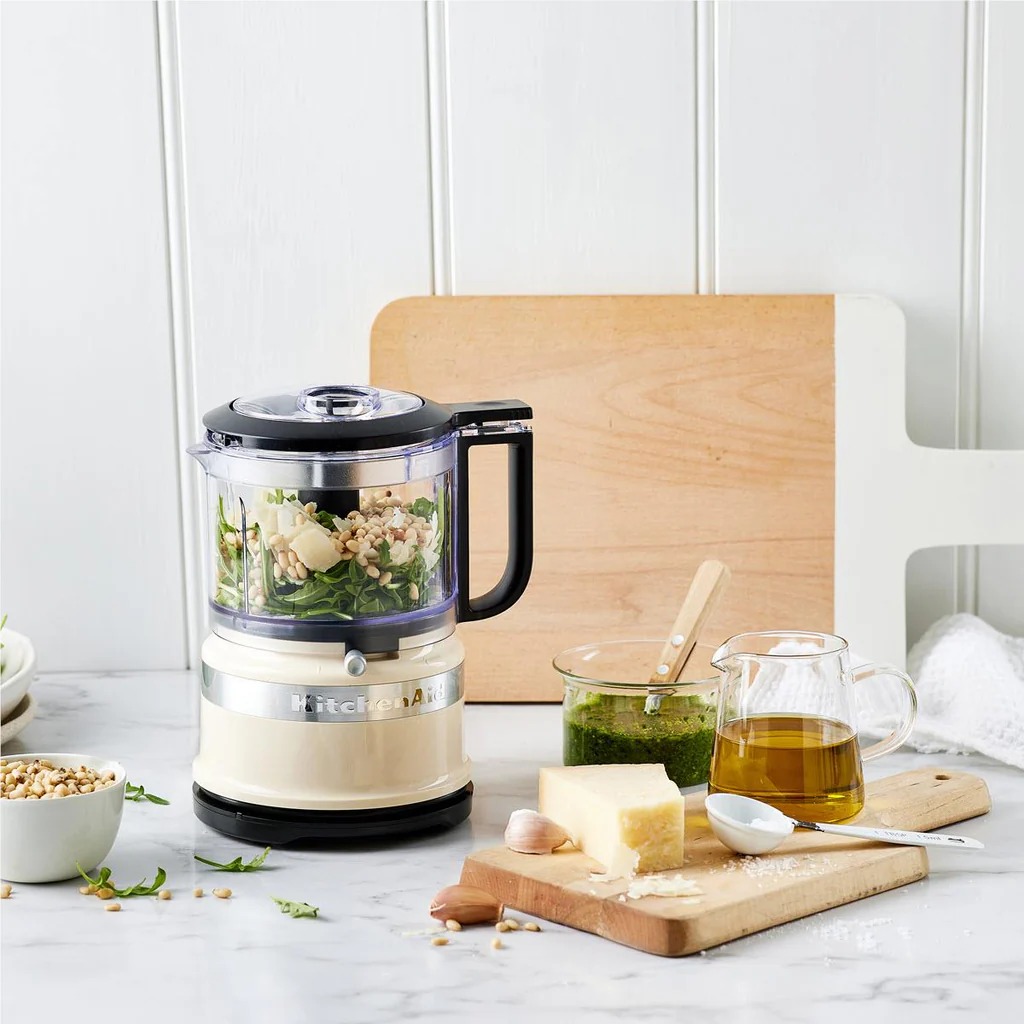
Think of a small food processor as the agile, compact workhorse of your culinary arsenal. Unlike their bulky, full-sized counterparts, these units typically boast capacities ranging from a modest 1 to 5 cups, making them ideal for managing smaller quantities without occupying precious counter or cupboard space. They are designed to chop, mince, purée, and blend ingredients with impressive speed and consistency, taking the grunt work out of tasks that would otherwise demand meticulous knife skills and considerable time. For anyone living in an apartment, cooking for one or two, or simply preferring to prepare fresh, small batches of ingredients, a small food processor streamlines the entire cooking process, turning tedious prep into a quick, enjoyable step.
Why You Need a Small Food Processor: The Undeniable Benefits
The allure of a small food processor extends far beyond its compact footprint. Its advantages resonate deeply with the needs of modern home cooks seeking efficiency without compromise.
Space-Saving Design
This is perhaps the most obvious benefit. In kitchens where every inch counts, a small food processor fits seamlessly, whether tucked away in a drawer or proudly displayed on a small counter. Their minimalist design ensures they don’t become an eyesore or a storage nightmare.
Time-Saving Convenience
Imagine mincing garlic in seconds, chopping an onion without tears, or whipping up a fresh dressing in under a minute. A small food processor dramatically cuts down on preparation time, allowing you to focus on the joy of cooking and savoring your meals rather than endless chopping.
Effortless Cleanup
With fewer, smaller parts than larger models, cleaning a small food processor is a breeze. Most components are dishwasher-safe, turning post-meal tidying into a quick rinse-and-go affair. This ease of cleaning encourages more frequent use, transforming it from an occasional gadget into an everyday essential.
Versatility for Small Batches
While a full-sized processor excels at large-scale meal prep, a small food processor shines when dealing with precise, smaller quantities. It’s perfectly designed to prevent over-processing tiny amounts and ensures even results, from a handful of herbs to a single avocado of guacamole.
Energy Efficiency
Generally, smaller appliances consume less power. A small food processor is no exception, often running on less wattage than its larger siblings. This makes it a more environmentally friendly and cost-effective choice for daily culinary tasks.
Unlocking Culinary Potential: Common Uses for Your Small Food Processor
Don’t let the “small” in small food processor fool you; these machines are incredibly mighty in their capabilities. Here are just a few ways this versatile tool can transform your everyday cooking:
- Chopping & Mincing: From pungent garlic cloves to fresh herbs, onions, and nuts, a small food processor makes quick work of finely chopping ingredients, saving your hands and eyes from tedious tasks. It’s perfect for adding a consistent texture to your stir-fries, salads, or garnishes.
- Puréeing & Blending: Achieve silky smooth textures for homemade baby food, rich sauces, vibrant dips like hummus or baba ghanoush, and creamy dressings. Its powerful blades can transform cooked vegetables or fruits into a velvety purée with ease.
- Emulsifying: Ever wanted to make your own mayonnaise or a perfectly smooth vinaigrette? The small opening on many processor lids, often called a drizzle basin, allows you to slowly add oil while the blades are running, creating stable emulsions every time.
- Grinding: Need fresh breadcrumbs for a crispy topping or perfectly ground spices for an aromatic dish? A small food processor can handle small quantities of hard ingredients, delivering consistent results that elevate your recipes.
“A small food processor isn’t just a convenience; it’s an invitation to experiment with fresh ingredients and create healthier, tastier meals without the fuss,” observes Chef Anya Sharma, a culinary instructor and long-time KitchenPro contributor. “It’s about making gourmet accessible on a daily basis.”
Small Food Processor vs. The Rest: A Quick Comparison
Understanding where a small food processor fits in your kitchen lineup often involves comparing it to other common appliances.
Small Food Processor vs. Full-Size Food Processor
The primary distinction lies in capacity and power. Full-size food processors, typically 8-14 cups, are built for heavy-duty tasks like kneading large batches of dough, slicing copious amounts of vegetables for a crowd, or shredding blocks of cheese. They often come with an array of interchangeable discs for slicing, shredding, and dicing. A small food processor, on the other hand, is optimized for smaller volumes and everyday chopping, puréeing, and mixing, offering a faster setup and cleanup for routine tasks. It’s about choosing the right tool for the job – a small processor for daily convenience, a full-size for entertaining or batch cooking.
Small Food Processor vs. Food Chopper
This comparison can be a bit trickier, as the terms are sometimes used interchangeably. However, there’s a key difference. While both are designed for chopping, a dedicated food chopper is generally more limited in function. Many food choppers are manual, operated by a pull-cord, or are very basic electric models with fixed blades. Their main purpose is to chop or mince. A small food processor, even with its modest size, typically offers more versatility, capable of not just chopping but also puréeing, blending, and emulsifying, thanks to more sophisticated motor designs and blade configurations. Think of a food chopper for a simple dice; think of a small food processor for complex sauces and dips.
Choosing Your Perfect Petite Partner: What to Look For
Selecting the right small food processor can feel like a daunting task given the numerous options available. Here’s what to consider to ensure you pick a model that truly serves your culinary needs:
Capacity: Finding the Sweet Spot
Small food processors range from 1 to 5 cups. For most daily tasks, a 3 to 5-cup capacity is often recommended as it offers enough space for common ingredients without being too large. If you’re mostly chopping single garlic cloves or a small handful of herbs, a 1-2 cup model might suffice.
Motor Power and Speed Settings
While you won’t need the immense power of a full-size unit, a motor with sufficient wattage (e.g., 200-300 watts for electric models) will handle tougher ingredients like nuts effectively. Look for models with a pulse function for better control over texture, and ideally, multiple speed settings (low and high) for varying tasks.
Blade Design and Attachments
The S-shaped blade is standard for chopping and puréeing. Some models offer reversible blades for different functions (e.g., a blunt side for grinding spices). Ensure the blade sits low in the bowl for even processing of small quantities. A drizzle basin or opening in the lid is a huge plus for emulsifying.
Ease of Cleaning and Assembly
Prioritize models with dishwasher-safe parts and a simple assembly process. Bowls with handles and pouring spouts are also incredibly convenient for daily use and reduce mess. Fewer nooks and crannies mean easier cleaning.
Corded or Cordless?
Corded models offer consistent power. However, cordless options, often powered by rechargeable batteries, provide unparalleled flexibility, allowing you to use your small food processor anywhere in your kitchen without being tethered to an outlet. This is a fantastic feature if your counter space is limited or outlets are scarce.
Safety Features
Look for interlock systems that prevent the motor from operating unless the bowl and lid are securely locked in place. This is a crucial safety feature, especially in busy kitchens or households with children.
Expert Tips for Maximizing Your Small Food Processor’s Life
To ensure your small food processor remains a dependable kitchen assistant for years to come, follow these simple expert tips:
- Proper Loading Techniques: Always cut larger ingredients into 1-inch pieces before adding them to the bowl. This helps the blades work efficiently and prevents strain on the motor. For best results, add liquids first when making dressings or sauces, then solid ingredients.
- Don’t Overfill: Respect your processor’s capacity. Overfilling can lead to uneven processing, leakage, and unnecessary strain on the motor. If you have more ingredients than the bowl can handle, process them in batches.
- Regular Cleaning Rituals: Clean your small food processor immediately after each use. Food residue can dry and become difficult to remove, potentially damaging the blades or staining the plastic.
- Storing Attachments Safely: Store blades and discs carefully to protect their sharp edges and prevent accidental cuts. Many models are designed so that the blades can be stored within the bowl, keeping everything together neatly.
Frequently Asked Questions About Small Food Processors
Q: Can a small food processor knead dough?
A: Generally, no. While some larger food processors come with a dough blade and sufficient power for kneading, small food processors are not typically designed for this heavy-duty task. Their motors and smaller bowls are better suited for lighter tasks like chopping, pureeing, and mixing small batches.
Q: Is a small food processor good for making baby food?
A: Absolutely! Small food processors are excellent for making fresh baby food. Their ability to purée cooked fruits and vegetables into smooth consistencies, often in small, manageable batches, makes them a favorite among parents.
Q: How do I clean my small food processor?
A: Most small food processor bowls, lids, and blades are dishwasher-safe. For best results, rinse them immediately after use and place them on the top rack of your dishwasher. For stubborn residue, hand wash with warm, soapy water and a brush to protect the blades.
Q: What’s the ideal capacity for a small food processor?
A: For general use, a capacity of 3 to 5 cups strikes a good balance between compactness and versatility. It’s large enough for most everyday prep tasks without taking up too much space.
Q: Are cordless small food processors worth it?
A: Cordless small food processors offer exceptional flexibility, allowing you to use them anywhere in your kitchen or even outdoors without worrying about outlets. If convenience and mobility are top priorities, a cordless model can be a worthwhile investment despite a potentially higher price point.
In conclusion, the small food processor is much more than just a kitchen gadget; it’s a powerful statement about smart, efficient, and enjoyable cooking. From effortlessly mincing garlic to crafting gourmet dressings, this compact powerhouse simplifies daily meal preparation, saving you time, space, and effort. As someone who has dedicated years to understanding kitchen technology, I can confidently say that integrating a small food processor into your routine will elevate your culinary experience, enabling you to embrace fresh ingredients and creative cooking with newfound ease. It’s an investment that truly pays dividends in your modern kitchen.