In the bustling world of modern gastronomy, where efficiency meets culinary artistry, a few pieces of equipment stand out as true game-changers. Among them, the Professional Food Processor reigns supreme. More than just a kitchen gadget, it’s a workhorse designed to tackle the demanding tasks of high-volume food preparation, transforming tedious manual labor into effortless precision. If you’ve ever dreamed of consistently perfect julienned vegetables, smooth purées, or perfectly mixed doughs without the sweat and strain, then understanding the power of a professional food processor is your next step to kitchen nirvana.
What is a Professional Food Processor and Why Do You Need One?
A professional food processor isn’t just a bigger version of its home kitchen counterpart; it’s engineered for continuous, heavy-duty operation in environments where time is money and consistency is king. Think restaurants, catering businesses, bakeries, or even the serious home chef who entertains large groups regularly. These machines are built to last, designed for speed, and equipped with features that make high-volume prep work a breeze.
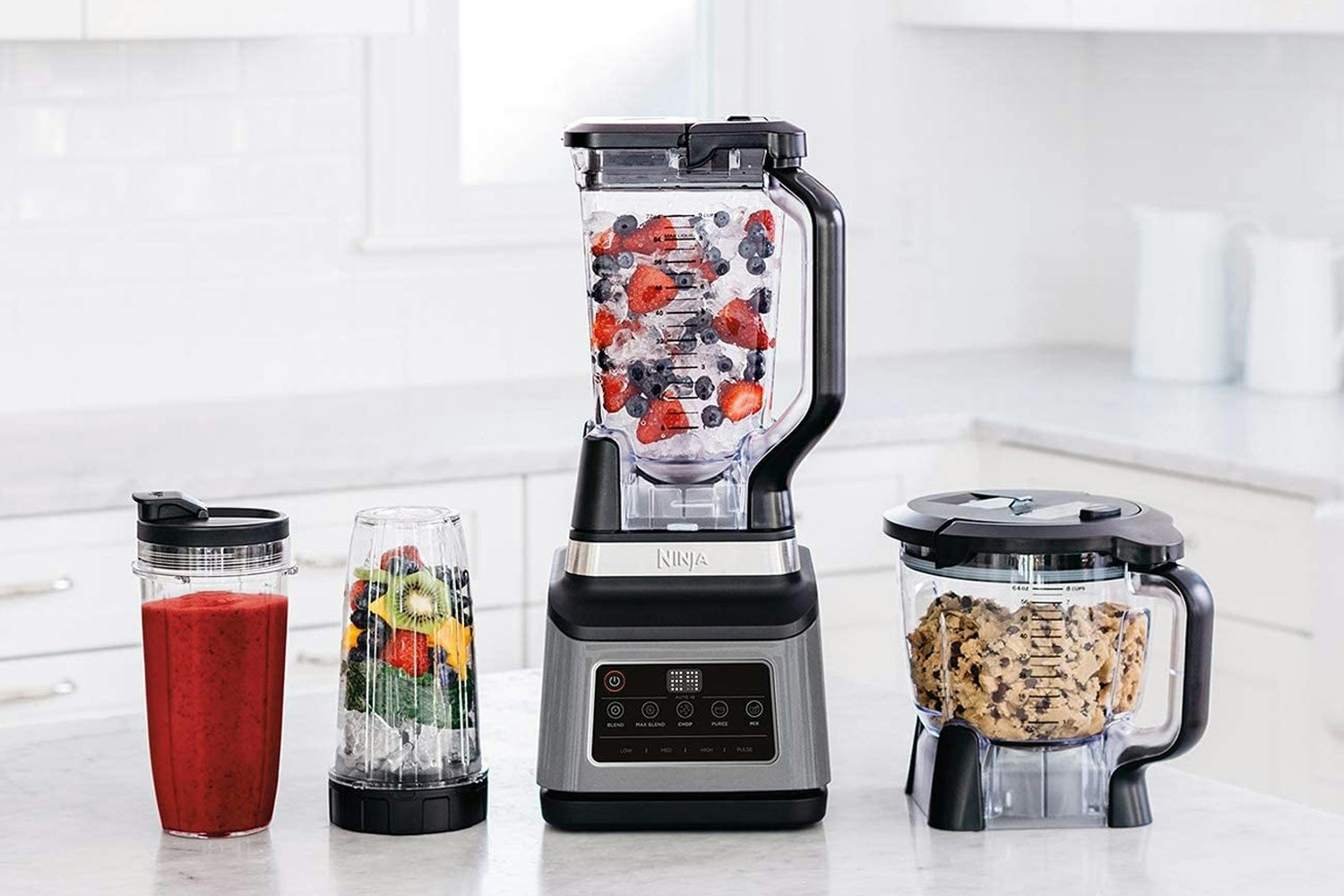
Beyond the Home Kitchen: Key Differentiators
What truly sets a professional food processor apart? It starts with the motor. Commercial models boast powerful induction motors, often measured in horsepower, capable of running for hours without overheating. Their construction materials are robust, typically heavy-duty stainless steel and durable plastics, built to withstand the rigors of a busy kitchen. Crucially, they offer larger capacities, allowing you to process significant amounts of ingredients in a single batch, and a wider array of specialized attachments for versatile culinary tasks.
The Core Value: Efficiency and Consistency
The primary reason to invest in a professional food processor is its ability to deliver unparalleled efficiency and consistent results. Imagine dicing dozens of onions, shredding pounds of cheese, or emulsifying gallons of dressing in a fraction of the time it would take manually. This not only saves precious labor hours but also ensures every dish maintains the same high standard, batch after batch. “A truly professional food processor doesn’t just cut corners; it carves out new possibilities for creativity and consistency in the kitchen,” says Chef Elena Petrova, a veteran culinary consultant.
Types of Professional Food Processors: Finding Your Perfect Match
Just like choosing the right vehicle, selecting a professional food processor depends on your specific needs and the scale of your operation. Each type offers distinct advantages tailored to different kitchen workflows.
Continuous Feed Food Processors
These models are ideal for operations requiring high-volume processing of single ingredients, like slicing vegetables for a salad bar or shredding cheese for pizzas. They feature a feed tube that allows you to continuously add ingredients while the machine is running, depositing the processed food into a separate container. This design minimizes downtime and maximizes throughput.
Batch Bowl Food Processors
For kitchens that need to process larger quantities of various ingredients, a batch bowl professional food processor is the go-to choice. With capacities ranging from a few quarts to over 20, these machines allow you to process large batches of ingredients, such as puréeing soups, making hummus, or mixing dough, directly in the bowl before removing them. They are incredibly versatile for diverse culinary tasks.
Combination Units
Can’t decide between continuous feed and batch bowl? Combination units offer the best of both worlds. They come with both a batch bowl and a continuous feed chute, allowing you to switch between functions as needed. These are perfect for dynamic kitchens that handle a wide array of prep tasks daily.
Specialized Processors
Certain brands, like Robot Coupe, are synonymous with professional food processors, offering highly specialized models for specific tasks or extreme durability. These often feature advanced motor technologies and a wider range of high-precision blade options, becoming indispensable tools for discerning chefs.
Essential Features to Look for in a Professional Food Processor
When you’re ready to invest in a professional food processor, understanding the critical features will help you make an informed decision that will serve your kitchen for years to come.
Power and Motor Durability
Look for powerful, heavy-duty induction motors, typically ranging from 1/2 HP to 3 HP or more. These motors are designed for continuous, quiet operation and longevity, crucial for commercial settings. A direct-drive motor system is also a plus, as it minimizes wear and tear.
Capacity Matters: Bowl Size
Consider your average batch size. Professional models offer bowls from 2 quarts up to 20 quarts. A larger capacity means fewer batches, saving time and effort. However, too large a bowl for small tasks can be inefficient, so balance your needs.
Blade Versatility and Attachments
A comprehensive set of blades and discs is what makes a professional food processor truly versatile. Essential attachments include S-blades for chopping and mixing, slicing discs (adjustable thickness is a bonus), shredding discs (fine and coarse), and sometimes even dicing kits or french fry discs. The more options, the more tasks you can automate.
Construction Materials and Safety
Opt for models with robust construction, preferably stainless steel bases and durable, clear polycarbonate bowls that are shatter-resistant. Safety features like interlocking lids that prevent operation unless securely closed are paramount in a busy professional kitchen. Non-slip feet are also essential for stability.
Ease of Cleaning and Maintenance
Disassembly should be straightforward, and components should be dishwasher-safe for quick and hygienic cleaning. Look for models with minimal crevices where food can get trapped. Easy maintenance ensures longevity and compliance with food safety standards.
|
Our Picks for the Best Food Processor in 2026
As an Amazon Associate I earn from qualifying purchases.
|
||
| Num | Product | Action |
|---|---|---|
| 1 | GROWNSY Baby Food Maker with Steam Basket, One Step Baby Food Processor Steamer Puree Blender Grinder Mills Machine, Auto Cooking Grinding and Sterili-zing for Healthy Homemade Baby Food, BPA-Free |

|
| 2 | BLACK+DECKER 8-Cup Food Processor, Easy Assembly, Stainless Steel S-Blade, Shred, Slice, Chop, Puree, 450W Motor |
|
| 3 | FOHERE Food Processor, 12 Cup, 2-in-1 Feed Chute Vegetable Chopper & Meat Grinder for Mincing, Dicing, Shredding, Puree & Kneading Dough, Stainless Steel |
|
| 4 | Hamilton Beach Stack & Snap Food Processor and Vegetable Chopper, BPA Free, Stainless Steel Blades, 12 Cup Bowl, 2-Speed 450 Watt Motor, Black (70725A) |
|
| 5 | 3-in-1 Professional Stainless Steel Kitchen Food Processor, Mixer, Juicer and Food Processor Blender for Fruit, Vegetable and Food Processing – Multi-Function Kitchen Appliance |
|
| 6 | Hamilton Beach Stack & Snap Food Processor and Vegetable Chopper, Stainless Steel Blades, 14 Cup + 4-Cup Mini Bowls, 3-Speed 500 Watt Motor, Black (70585) |
|
| 7 | GANIZA Food Processors, Electric Food Chopper with Meat Grinder & Vegetable Chopper - 2 Bowls (8 Cup+8 Cup) with Powerful 450W Copper Motor - Includes 2 Sets of Bi-Level Blades for Fruits/Meat/Nuts |
|
| 8 | Commercial Food Processor, 250W Heavy Duty Electric Meat Grinders with 1500RPM Blade Speed, 6QT Stainless Steel Food Bowl and 0-15 Mins Timer, Commercial Vegetable Chopper Food Mixer Machine |
|
| 9 | Hamilton Beach Food Processor & Vegetable Chopper for Slicing, Shredding, Mincing, and Puree, 10 Cups + Easy Clean Bowl Scraper, Black and Stainless Steel (70730) |
|
| 10 | Ninja Food Processor, Professional Plus, 1000 Peak Watts, 4 Functions for Chopping, Slicing, Purees & Dough with 9-Cup Processor Bowl, 3 Blades, Food Chute & Pusher, Silver, BN601 |
|
How to Effectively Use Your Professional Food Processor
Maximizing the potential of your professional food processor involves understanding its capabilities and adopting best practices for safe and efficient operation.
Prepping Ingredients for Optimal Results
Always cut larger ingredients into pieces that fit comfortably into the feed tube to prevent jamming. For consistent results, try to feed ingredients at a steady, even pace. When processing leafy greens or soft items, don’t overload the bowl; process in smaller batches if necessary to achieve the desired texture.
Mastering Different Functions (Slicing, Dicing, Chopping, Shredding)
Slicing: Use the appropriate slicing disc. For perfect slices, ensure ingredients like cucumbers or potatoes are uniform in size and fed vertically.
Dicing: If your processor has a dicing kit, it’s a game-changer for large quantities of perfectly cubed vegetables.
Chopping: Use the S-blade. Pulse in short bursts for coarse chops, holding the button longer for finer results.
Shredding: The shredding disc works wonders for cheese, cabbage, and carrots. Apply gentle, even pressure.
Puréeing/Emulsifying: The S-blade is excellent for making smooth sauces, dips, and vinaigrettes. For best emulsions, add liquids slowly through the feed tube while the machine is running.
Safety First: Best Practices
Never bypass safety interlocks. Always ensure the lid is properly secured before operating. Use the food pusher to guide ingredients into the feed tube, never your hands or other utensils. Unplug the unit before assembling, disassembling, or cleaning, and always handle sharp blades with extreme caution.
Maintaining Your Professional Food Processor for Longevity
Proper care and maintenance are crucial to extend the life of your professional food processor and ensure it continues to perform optimally for years to come.
Daily Cleaning Routine
Immediately after use, disassemble the removable parts and wash them with warm, soapy water or place them in a commercial dishwasher if suitable. Wipe down the motor base with a damp cloth, ensuring no liquids seep into the motor housing. Dry all parts thoroughly before reassembling or storing. Regular cleaning prevents food buildup and maintains hygiene.
Troubleshooting Common Issues
- Motor not starting: Check if the power cord is securely plugged in and if all safety interlocks (lid and bowl) are properly engaged.
- Inconsistent processing: Ensure ingredients are cut to appropriate sizes and fed evenly. Overloading the bowl can also lead to uneven results.
- Loud noises/vibrations: This could indicate an unbalanced load, a dull blade, or an issue with the motor. Stop the machine, check the load, and inspect the blade.
When to Seek Professional Service
If you experience persistent motor issues, unusual burning smells, or if components are damaged beyond simple replacement (like a cracked motor housing), it’s best to contact a qualified service technician. Attempting complex repairs yourself could void warranties or cause further damage.
Revolutionize Your Menu: Dishes You Can Create
The versatility of a professional food processor opens up a world of culinary possibilities, allowing you to execute complex prep tasks with remarkable ease and speed.
Soups and Sauces
From silky smooth bisque to rustic marinara, a food processor can purée cooked vegetables for soups, create creamy sauces, or even emulsify robust vinaigrettes and mayonnaise. The consistent texture it provides is essential for fine dining.
Dips and Spreads
Whip up large batches of hummus, pesto, guacamole, or various vegetable-based dips in minutes. The power of a professional food processor ensures a perfectly smooth and consistent texture every time, ideal for catering or restaurant service.
Salads and Vegetables Prep
Say goodbye to hours of chopping. Quickly slice potatoes for gratins, shred cabbage for coleslaw, dice onions for mirepoix, or julienne carrots for garnishes. This machine dramatically speeds up mise en place.
Dough and Batters
Many professional food processors come equipped to handle doughs. You can mix pie crusts, biscuit doughs, and even some bread doughs with ease, ensuring consistent texture and perfect gluten development without overworking the mixture.
The Undeniable Benefits of Investing in a Professional Food Processor
Bringing a professional food processor into your kitchen is more than just buying a new appliance; it’s an investment in efficiency, quality, and culinary expansion.
Time and Labor Savings
This is perhaps the most significant benefit. By automating tasks that would otherwise require intensive manual labor, a food processor frees up staff for more skilled culinary work and drastically reduces prep time, allowing for faster service and greater output.
Consistent Quality and Presentation
Manual cutting and chopping can lead to inconsistencies. A food processor ensures every slice, shred, or chop is uniform, contributing to professional presentation and even cooking, which directly impacts the quality of your finished dishes.
Expanding Culinary Possibilities
With a professional food processor, you can easily create components for dishes that might have been too labor-intensive before. Experiment with new textures, expand your menu offerings, and elevate your culinary creations with tools that empower precision and speed.
Professional Food Processor vs. Other Kitchen Equipment
While other kitchen tools like blenders and stand mixers have their specific uses, a professional food processor carves out its unique niche. Blenders excel at liquidizing and making very smooth purées from primarily liquid ingredients. Stand mixers are unparalleled for kneading large quantities of dough and whipping. However, for dry chopping, slicing, shredding, dicing, and mixing stiffer doughs or thicker batters, the food processor is king. Its wide, shallow bowl and versatile blade attachments make it superior for these diverse solid-food prep tasks.
Frequently Asked Questions
Q: What’s the main difference between a home and professional food processor?
A: The primary differences lie in motor power and durability, capacity, and the materials used. Professional models feature more robust motors (often measured in HP), larger bowls, and heavy-duty construction designed for continuous, high-volume use in commercial settings.
Q: How much capacity do I need for my business?
A: This depends on your volume. Small operations might start with a 4-7 quart model, while busy restaurants or catering services may require 11-20 quart machines, or multiple units, to handle their daily prep needs efficiently.
Q: Are professional food processors difficult to clean?
A: Most professional food processors are designed for easy disassembly, with many components being dishwasher-safe. While there are more parts than a simple blender, the cleaning process is generally straightforward to maintain hygiene.
Q: Can a professional food processor knead dough?
A: Yes, many professional food processors can knead dough, particularly those with powerful motors and specific dough blades. They are excellent for pie crusts, cookie doughs, and lighter bread doughs, though a dedicated stand mixer is usually better for very large or stiff bread doughs.
Q: What are the top brands for professional food processors?
A: Leading brands in the professional segment include Robot Coupe, Cuisinart Commercial, Waring Commercial, and Hobart. These brands are known for their durability, power, and range of features suitable for commercial use.
Q: How long do professional food processors typically last?
A: With proper care and maintenance, a high-quality professional food processor can last for many years, often a decade or more, even under heavy commercial use. Their robust construction is designed for longevity.
Elevate Your Kitchen with a Professional Food Processor
The journey from a home cook to a culinary professional, or from a small cafe to a bustling restaurant, often involves a key upgrade in equipment. The professional food processor stands as a testament to what modern kitchen technology can achieve. It’s not just about saving time; it’s about elevating the quality, consistency, and sheer volume of what you can produce. By understanding its capabilities, choosing the right model, and integrating it wisely into your workflow, you unlock a new realm of culinary potential, transforming your kitchen into a more efficient, productive, and ultimately, more successful culinary space. Embrace the power, precision, and performance of a professional food processor, and watch your culinary dreams take flight.