In the bustling rhythm of modern life, our kitchens often become a battleground of limited space and precious time. The quest for efficient, healthy, and delicious meals can feel daunting, leading many to seek smart solutions. Enter the Mini Food Processor, a compact powerhouse designed to streamline your cooking and elevate your culinary creations. This small yet mighty appliance is a game-changer, transforming tedious prep work into a swift, effortless experience and proving its invaluable worth in optimizing modern cooking.
What Exactly is a Mini Food Processor?
Think of a mini food processor as the agile, younger sibling to its full-sized counterpart. It’s a compact, motor-driven kitchen appliance specifically engineered for smaller-scale food preparation tasks. Typically featuring a base, a work bowl (ranging from 1.5 to 5 cups in capacity), a versatile S-blade, and a lid, this essential gadget excels at quickly chopping, blending, pureeing, and even grinding a variety of ingredients. Unlike the larger, bulkier models that demand significant counter or storage space, a mini food processor is purpose-built for efficiency in smaller batches, making it a perfect fit for compact kitchens, solo diners, or anyone who values convenience over sheer volume.
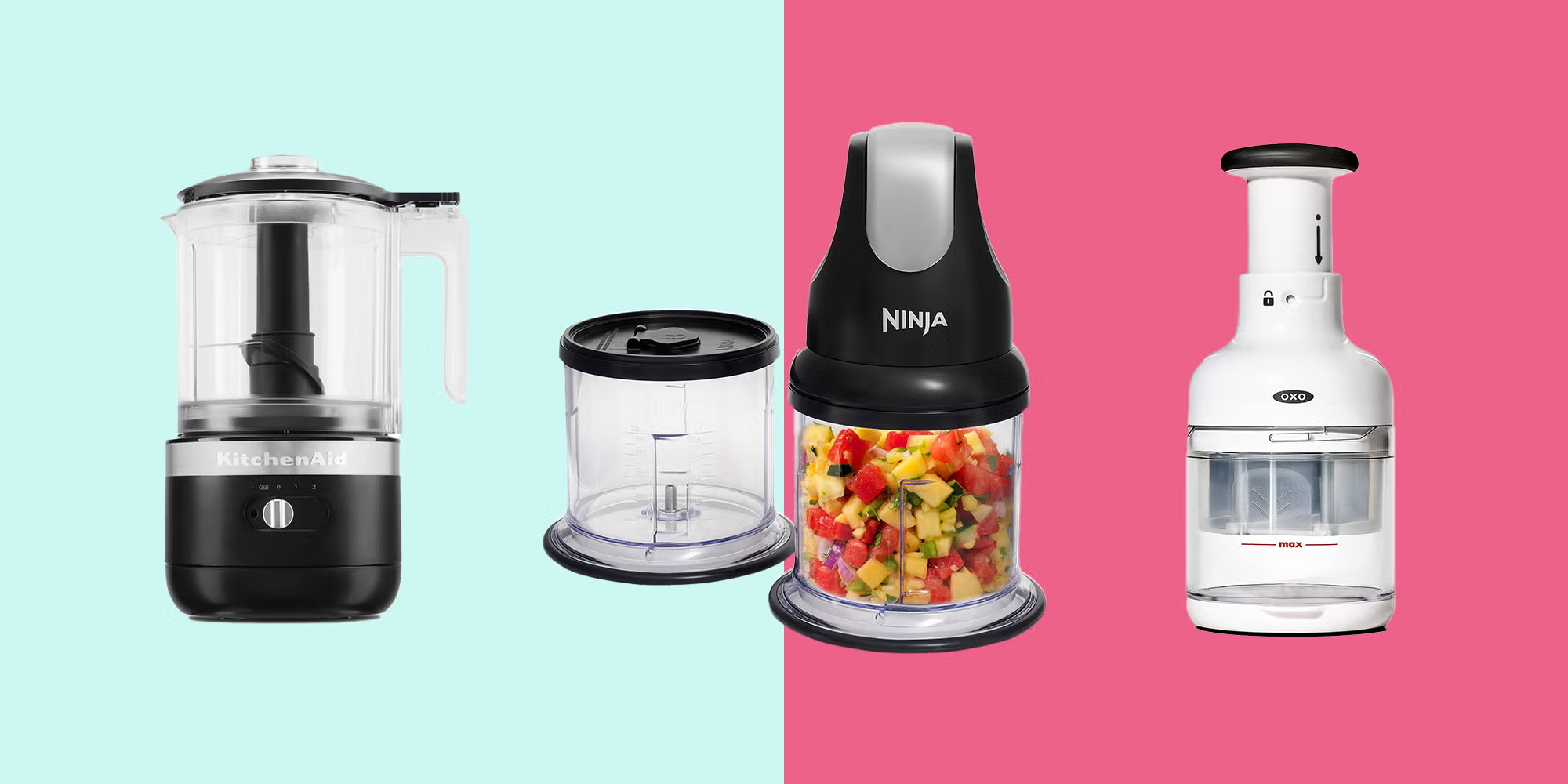
Why Every Kitchen Needs a Mini Food Processor: The Undeniable Benefits
The allure of the mini food processor extends far beyond its diminutive size. Its practical advantages make it an indispensable tool for home cooks of all skill levels.
Space-Saving Design
Perhaps its most celebrated benefit, the mini food processor is a dream come true for those with limited kitchen real estate. Its compact footprint means it won’t hog precious counter space and can be easily tucked away in a cabinet or pantry. This makes it ideal for apartments, dorm rooms, RVs, or any kitchen where every inch counts.
Unmatched Convenience
Who wants to drag out a hefty appliance for a single onion or a handful of herbs? Mini food processors are incredibly quick to set up and even quicker to clean. Their lightweight design makes them portable, allowing you to move them around the kitchen or even take them to a different location with ease. Many models boast simple, intuitive controls, often just a single button for pulse or continuous processing, making them accessible even for novice cooks.
Versatility in Small Batches
Don’t let the size fool you; these gadgets are surprisingly versatile. While they won’t tackle a family-sized batch of dough, they excel at a myriad of smaller tasks that would otherwise require tedious hand chopping or a larger, less efficient machine. From finely mincing garlic to whipping up a single serving of salad dressing, a compact food processor proves its worth daily.
Energy Efficiency
Generally, mini food processors consume less power compared to their larger counterparts. This makes them a more environmentally friendly choice for everyday tasks, contributing to a greener kitchen without sacrificing performance for smaller jobs.
Affordability
On average, mini food processors are significantly more budget-friendly than full-scale models. This makes them an excellent entry-level appliance for aspiring chefs or a practical addition for anyone looking to expand their kitchen toolkit without a major investment.
Easy to Clean
Fewer parts mean less hassle. Most mini food processors feature dishwasher-safe bowls, lids, and blades, simplifying the cleanup process dramatically. For those who prefer handwashing, the smaller components are quick to rinse and wipe down, eliminating the dread of a cumbersome cleanup after cooking.
Unlocking Its Full Potential: What Can You Do with Your Mini Food Processor?
The possibilities with a mini food processor are vast, transforming everyday cooking tasks into quick, enjoyable steps.
Chopping & Mincing Vegetables
Tired of teary eyes from chopping onions or the endless mincing of garlic? A mini food processor can blitz these ingredients in seconds. It’s perfect for preparing vegetables like carrots, celery, bell peppers, or herbs for salads, stir-fries, soups, or sauces. You control the consistency with the pulse function – a quick pulse for a rough chop, a longer press for a finer mince.
Pureeing & Blending Dips and Sauces
This is where the mini food processor truly shines. Create fresh, vibrant pestos, creamy hummus, zesty salsas, and smooth baby food with minimal effort. Its size is ideal for achieving the perfect consistency for dressings, marinades, and spreads without ingredients getting lost in a larger bowl.
Grinding Nuts and Spices
Fancy fresh ground spices for your curries or perfectly chopped nuts for baking? A mini food processor can handle it. It effectively grinds small quantities of nuts for toppings, crusts, or even homemade nut butter, and can transform whole spices into aromatic powders, adding an extra layer of flavor to your dishes.
Mixing Small Batches
While not designed for heavy-duty kneading, some mini food processors can mix small batches of dough, such as for pie crusts or biscuits, thanks to their powerful blades. They are also excellent for incorporating butter into flour or whipping up compound butters with herbs and spices.
- Quick Pesto: Combine fresh basil, pine nuts, garlic, Parmesan, and olive oil for a homemade pesto in minutes.
- Fresh Salsa: Dice tomatoes, onions, cilantro, and jalapeños for a vibrant, chunky salsa.
- Homemade Vinaigrette: Emulsify oil, vinegar, herbs, and spices into a smooth, perfectly blended dressing.
- Baby Food: Puree cooked fruits and vegetables into nutritious, homemade baby food.
Choosing Your Perfect Partner: Key Features to Look For
Selecting the right mini food processor can make all the difference in your kitchen experience. Consider these key features:
Capacity
Mini food processors typically range from 1 to 5 cups. A 2-cup to 4-cup capacity is often considered the sweet spot, offering enough room for most small-batch tasks without being too bulky. For single servings or very small jobs, a 1.5-cup model might suffice.
Power and Motor
Look for a model with adequate wattage (typically between 100-400 watts for electric models). A more powerful motor ensures efficient processing, especially for tougher ingredients like nuts. The wattage impacts how effortlessly the small kitchen appliance handles different textures, ensuring consistent results.
Blade Design
Stainless steel blades are a must for durability and sharpness. Crucially, look for blades that are set low in the bowl. This design ensures that even a small amount of ingredients can be effectively processed without getting stuck or unevenly chopped. Some models feature reversible blades or separate chop/grind functions for enhanced versatility.
Controls
Simplicity is key. Most mini food processors offer straightforward controls, often a single button for pulse action or a continuous setting. A pulse function is vital for controlling consistency, allowing you to achieve everything from a coarse chop to a fine puree.
Material and Build Quality
Opt for durable plastic or glass bowls that are BPA-free for health and safety. A secure, tightly sealing lid is essential, especially when processing liquids, to prevent spills and splashes. Sturdy construction ensures longevity, making your mini food processor a reliable kitchen companion for years to come.
Extra Features
Some models come with thoughtful additions that enhance usability:
- Drizzle Basin: A small opening in the lid that allows you to slowly add liquids like oil while the machine is running, perfect for emulsifying dressings and mayonnaise.
- Pouring Spout: Simplifies transferring liquids and sauces.
- Measurement Markings: Conveniently located on the work bowl to reduce the need for extra measuring cups.
- Corded/Cordless Options: Cordless models offer unparalleled freedom of placement, ideal for kitchens with limited outlets.
- Dishwasher-Safe Parts: A significant time-saver for cleanup.
Keeping It Pristine: Easy Maintenance and Cleaning Tips
Proper care ensures your mini food processor remains a hygienic and efficient tool.
- Disconnect and Disassemble: Always unplug the appliance before cleaning. Remove the lid, blade, and work bowl from the motor base.
- Clean the Base and Cord: Wipe the motor base and cord with a warm, damp cloth. Never immerse the motor base in water.
- Clean the Parts: For the bowl, lid, and blades, use warm soapy water and a soft cloth or sponge. A small cleaning brush is invaluable for reaching into crevices, such as inside the blade attachment or the handle, where food bits might hide.
- Dishwasher-Safe Parts: Many bowls, lids, and blades are dishwasher-safe, typically on the top rack. Always consult your owner’s manual for specific care instructions to avoid damage.
- Tough Stains: For stubborn stains or odors (like garlic), a solution of warm water and a few drops of dish soap, followed by a quick blitz in the processor, can help. For persistent stains, a mild vinegar solution can also be effective. Avoid abrasive cleaners or scouring pads, as these can scratch the plastic.
- Dry and Store: Ensure all parts are thoroughly rinsed and completely dry before reassembling or storing to prevent mold and mildew buildup.
Mini vs. Full-Size: Which One is Right for You?
The choice between a mini and a full-size food processor often depends on your cooking habits and kitchen needs.
A mini food processor is ideal if you:
- Have limited kitchen space.
- Primarily prepare small batches or single servings.
- Need an appliance for quick, everyday tasks like chopping herbs, mincing garlic, or making dressings.
- Want something easy to clean and store.
A full-size food processor is better suited for:
- Processing large quantities of food (e.g., shredding cheese for a crowd, making large batches of soup).
- Heavy-duty tasks like kneading dough for bread.
- Tasks requiring a variety of attachments like slicing or grating discs.
For many home cooks, a mini food processor isn’t a replacement for a full-size model but rather a highly complementary tool. It handles the frequent, smaller jobs with ease, reserving the larger appliance for less frequent, bigger tasks.
Expert Insights: Maximizing Your Mini Food Processor Experience
“The secret to a truly efficient kitchen isn’t always about having the biggest or most powerful gadgets,” shares culinary expert, Chef Anya Petrova. “Often, it’s about having the right tool for the right job. A mini food processor, with its compact footprint and surprising versatility, empowers home cooks to embrace fresh ingredients and experiment with flavors without the fuss. It’s truly a testament to how small innovations can make a huge impact on daily cooking.”
Frequently Asked Questions (FAQ)
Q: Is a mini food processor the same as a mini food chopper?
A: While often used interchangeably, there can be subtle differences. Mini food processors typically offer more versatility, with capabilities beyond just chopping, such as pureeing and grinding, and sometimes come with additional attachments. Mini food choppers usually have a simpler design focused primarily on chopping.
Q: Can a mini food processor make dough?
A: Mini food processors can handle small batches of lighter doughs, like pie crusts or biscuit dough, by incorporating ingredients quickly. However, they are not designed for heavy-duty kneading of bread dough, which requires a more powerful motor and a dedicated dough blade found in larger food processors or stand mixers.
Q: What capacity is best for a mini food processor?
A: For most home cooks, a mini food processor with a 2-cup to 4-cup capacity strikes the perfect balance. This size is versatile enough for common small-batch tasks without being too small or too large for convenient storage.
Q: Can I use a mini food processor for smoothies?
A: While a mini food processor can blend soft fruits and liquids for thinner smoothies, it may struggle with ice or frozen fruits, which are better handled by a dedicated blender designed for tougher, icier ingredients.
Q: Are mini food processor parts dishwasher safe?
A: Many mini food processor parts, including the work bowl, lid, and blades, are designed to be dishwasher safe, usually on the top rack. However, it’s crucial to always check your specific model’s owner’s manual for detailed cleaning instructions to ensure longevity and prevent damage.
Conclusion
The mini food processor is far more than just another kitchen gadget; it’s a testament to how thoughtful design can transform your culinary routine. From effortlessly mincing garlic and chopping herbs to crafting silky smooth dressings and dips, this compact kitchen hero simplifies countless tasks, freeing up your time and energy. It’s a smart investment for any home cook looking to optimize their meal prep, embrace fresh ingredients, and inject a new level of creativity and ease into their daily cooking. So, unlock the potential of this small but mighty appliance, experiment with new recipes, and discover the true value of a mini food processor in your modern kitchen.