In a world filled with high-tech kitchen gadgets, sometimes the most valuable tools are those that embrace simplicity. Enter the Manual Food Processor – a surprisingly powerful and versatile device that can revolutionize how you approach meal prep. As a seasoned kitchen appliance consultant with over 15 years in the industry and a dedicated content creator for KitchenPro, I’ve seen countless innovations come and go. Yet, the humble manual food processor continues to hold its own, offering an unparalleled blend of efficiency, convenience, and hands-on control for home cooks. Whether you’re aiming to chop, mince, or puree with precision, understanding the true potential of a manual food processor can transform your cooking experience, making healthy, homemade meals more accessible than ever.
What is a Manual Food Processor and Why Do You Need One?
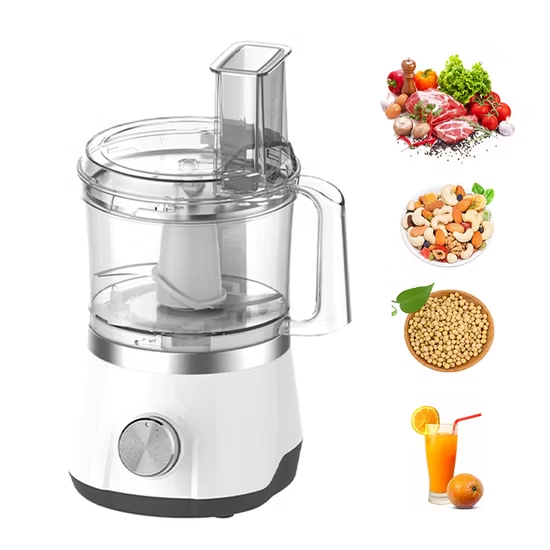
A manual food processor is a non-electric kitchen gadget designed to chop, mince, dice, and even blend ingredients by hand. Instead of relying on electricity, these clever devices utilize a simple pull-cord mechanism, a crank, or a press-down action to rotate sharp blades within a compact bowl. This ingenious design means you’re in full control of the processing, achieving your desired consistency with just a few pulls or turns.
Why consider a manual food processor when electric options abound? For starters, they’re incredibly portable. Take it camping, use it in a dorm room, or simply move it around your kitchen without worrying about outlets. They’re also wonderfully quiet compared to their electric counterparts, making early morning meal prep a peaceful affair. Furthermore, a manual food processor is often more compact, making it an ideal choice for smaller kitchens where counter space is a premium. You’ll also appreciate the easy cleanup, as most components are designed for quick washing, often being dishwasher-safe. And let’s not forget the eco-friendly aspect – no electricity means a smaller carbon footprint!
Types of Manual Food Processors: Finding Your Perfect Kitchen Companion
The world of manual food processors isn’t a one-size-fits-all affair. Different designs cater to various needs and preferences. Understanding these types will help you pick the best manual food processor for your culinary adventures.
Pull-Cord Choppers
These are perhaps the most common and recognizable manual food processors. They feature a lid with a pull-cord mechanism that, when tugged, spins a set of blades at high speed. The more you pull, the finer the chop. They are fantastic for:
- Quickly dicing onions and garlic without tears.
- Making chunky salsa or finely minced herbs.
- Preparing baby food purees.
Look for models with sturdy cords, sharp stainless steel blades, and a non-slip base for stability.
Crank-Handle Models
Crank-handle manual food processors resemble miniature hand mixers. A handle on the top or side is turned to rotate the blades. These often provide a bit more continuous power and control, making them excellent for:
- Whipping up dressings or light batters.
- Chopping larger quantities of ingredients.
- Creating a smoother puree for soups or sauces.
Ensure the crank mechanism feels solid and that the blades are easily removable for cleaning.
Press-Down Choppers
While sometimes simpler and more accurately called “choppers,” many press-down models with multiple blades can perform light food processing tasks. You simply press down on a plunger, which forces the blades to chop. These are usually best for:
- Single onions or garlic cloves.
- Small amounts of herbs.
- Emergency chopping when speed is key.
When selecting any manual food processor, always check for high-quality, rust-resistant stainless steel blades, a durable, BPA-free plastic bowl, and a secure locking lid. Bowl capacity is another crucial factor; smaller bowls (1-2 cups) are great for individual servings, while larger ones (3-5 cups) can handle family-sized preparations.
How to Use Your Manual Food Processor Like a Pro
Mastering your manual food processor is incredibly straightforward, but a few pro tips can elevate your results.
- Prep Your Ingredients: Always cut larger ingredients into smaller, manageable pieces (about 1-2 inches) before adding them to the bowl. This prevents overloading the blades and ensures an even chop. Remove any tough stems or cores.
- Don’t Overfill: Resist the urge to pack the bowl to the brim. Overfilling can strain the mechanism, lead to an uneven chop, and even damage your manual food processor. Fill it no more than two-thirds full.
- Assemble Securely: Place the blade assembly onto the central spindle in the bowl, then add your prepped ingredients. Securely attach the lid, ensuring it locks into place. This is vital for safety and efficient operation.
- Process with Pulses: Instead of continuous pulling or cranking, use short, quick pulses. This allows you to check the consistency after each set of pulses and prevents over-processing. For a coarse chop, a few pulls might suffice. For a finer mince or puree, you’ll need more.
- Scrape Down Sides (If Needed): If ingredients are sticking to the sides, simply remove the lid, scrape them down with a spatula, and continue processing.
- Achieve Desired Consistency:
- Coarse Chop: 3-5 short pulls/cranks.
- Medium Chop: 6-10 pulls/cranks.
- Fine Mince: 10-15 pulls/cranks.
- Puree: 15+ pulls/cranks, or until smooth.
“The beauty of a manual food processor lies in its responsiveness,” says Chef Elena Petrova, a culinary instructor and long-time advocate for intuitive kitchen tools. “You get immediate feedback on the texture, allowing for precise control that even some electric models struggle to deliver. It’s perfect for home cooks who truly want to connect with their ingredients.”
Manual Food Processor vs. Electric Food Processor: The Great Debate
Deciding between a manual food processor and an electric one often comes down to your cooking habits, kitchen space, and budget. Both have their merits, but they serve slightly different niches.
When to Choose a Manual Food Processor:
- Small Batches: Ideal for everyday tasks like mincing garlic, chopping an onion, or making a single serving of pesto.
- Portability: Perfect for picnics, camping, or small apartments without ample counter space or power outlets.
- Budget-Friendly: Generally much more affordable than electric models.
- Quiet Operation: No loud whirring motors, ensuring a peaceful cooking environment.
- Easy to Clean: Fewer parts, often dishwasher-safe.
- Eco-Conscious: Uses no electricity.
- Control: Offers superior control over texture.
When to Choose an Electric Food Processor:
- Large Batches: Essential for preparing food for crowds, grating large amounts of cheese, or slicing vegetables for meal prep.
- Heavy-Duty Tasks: Kneading dough, grinding meat, or pureeing tough ingredients.
- Multiple Functions: Many come with various blades and discs for slicing, shredding, and more.
- Speed: Much faster for high-volume tasks.
Ultimately, the best choice depends on your primary use case. For simple, quick, everyday tasks, and for those who value quiet, portability, and control, a manual food processor is an excellent, often superior, choice.
Amazing Dishes You Can Make with a Manual Food Processor
Don’t let the manual nature fool you; these little powerhouses can tackle a surprising variety of recipes. Here are just a few ideas to get your culinary creativity flowing:
- Fresh Salsa: Dice tomatoes, onions, cilantro, and jalapeños in seconds for a vibrant, homemade salsa.
- Pesto: Combine fresh basil, garlic, pine nuts, Parmesan, and olive oil for a delicious, fresh pesto.
- Hummus: Puree chickpeas, tahini, lemon juice, and garlic for a creamy dip.
- Guacamole: Mash avocados with finely chopped onions, cilantro, and chili for a chunky, flavorful dip.
- Baby Food: Steam fruits or vegetables, then easily puree them to the perfect consistency for your little one.
- Nut Chopping: Quickly chop nuts for baking, granola, or as a salad topping.
- Onion and Garlic Mincing: Say goodbye to teary eyes and sticky hands! Mince these aromatics effortlessly.
- Breadcrumbs: Transform stale bread into fresh breadcrumbs for coatings or toppings.
- Dressings and Vinaigrettes: Whisk together oil, vinegar, herbs, and spices for homemade salad dressings.
The manual food processor makes these tasks so much faster and cleaner, encouraging you to cook from scratch more often.
Keeping Your Manual Food Processor in Top Shape: Cleaning and Maintenance Tips
A well-maintained manual food processor will be a reliable kitchen ally for years. Cleaning is typically a breeze, but a few tips ensure longevity.
- Disassemble Immediately: After each use, take apart all components: the lid, blade assembly, and bowl.
- Rinse Promptly: Rinse all parts under running water to remove any lingering food particles before they dry and harden.
- Wash Thoroughly:
- Blades: Handle blades with extreme care as they are very sharp. Use a brush or sponge to gently clean them. Some blades are dishwasher-safe, but handwashing is often recommended to maintain sharpness.
- Bowl and Lid: Most bowls and lids are dishwasher-safe, but check your manufacturer’s instructions. If handwashing, use warm, soapy water.
- Dry Completely: Ensure all parts are completely dry before reassembling or storing. This prevents rust on blades and mildew build-up.
- Storage: Store your manual food processor in a cool, dry place. Many models are compact enough to fit in a cupboard or drawer, saving valuable counter space.
- Cord Care (for pull-cord models): Avoid yanking the cord excessively. Pull smoothly and steadily to extend its lifespan.
Your Burning Questions About Manual Food Processors Answered
Are manual food processors worth it?
Absolutely! For quick, small-batch prep, portability, and ease of cleaning, a manual food processor offers exceptional value, saving you time and effort without needing electricity.
Can a manual food processor chop nuts?
Yes, most manual food processors are quite effective at chopping nuts, from almonds to walnuts. Just be sure not to over-process, or you might end up with nut butter instead of chopped nuts!
How do you clean a manual food processor blade?
Carefully remove the blade assembly. Rinse immediately after use, then wash with warm, soapy water using a brush or sponge. Always handle the sharp blades with caution, gripping them by the plastic hub.
What’s the difference between a manual food processor and a chopper?
While often used interchangeably, a manual food processor typically has a more robust blade system and a slightly larger bowl, allowing for more diverse tasks like pureeing in addition to chopping. A manual chopper is often simpler, designed primarily for basic chopping tasks.
Is a manual food processor good for small kitchens?
Yes, a manual food processor is an excellent choice for small kitchens. Its compact size means it takes up minimal counter or cupboard space, and its lack of reliance on electricity means you don’t need to worry about available outlets.
Final Thoughts on Embracing the Manual Food Processor
As a kitchen professional, I can confidently say that the manual food processor is far more than a simple gadget; it’s a testament to effective, no-frills kitchen design. It empowers you to tackle everyday chopping, mincing, and pureeing tasks with remarkable efficiency, all while providing the satisfaction of hands-on control. From whipping up fresh salsa for taco night to preparing homemade baby food, or simply speeding up your weekly meal prep, the versatility of a manual food processor is undeniable. It’s a smart, sustainable, and surprisingly powerful addition to any kitchen, proving that sometimes, the best innovations are those that keep things beautifully simple. So, why not give this unsung hero of the kitchen a try and discover how it can enhance your culinary journey? Your taste buds, and your hands, will thank you.