In the bustling heart of every modern kitchen, where efficiency meets culinary artistry, a few appliances truly stand out. Among them, the Large Food Processor reigns supreme, a powerful and versatile workhorse designed to transform your cooking experience. With over 15 years in the kitchen appliance industry and as a content creator for KitchenPro, I’ve seen countless innovations, but the impact of a high-capacity food processor on meal preparation is consistently remarkable. It’s more than just a gadget; it’s your culinary partner, ready to tackle ambitious recipes and daily tasks with unparalleled ease.
What Makes a Food Processor “Large”?
When we talk about a “large food processor,” we’re typically referring to models with a work bowl capacity ranging from 10 to 16 cups, and sometimes even larger. This generous size sets them apart from their compact counterparts, which usually offer 3-5 cup capacities, or mid-sized options around 7-9 cups. The key differentiator isn’t just the sheer volume but the enhanced capabilities that come with it: more powerful motors, wider feed tubes, and a broader array of specialized attachments.
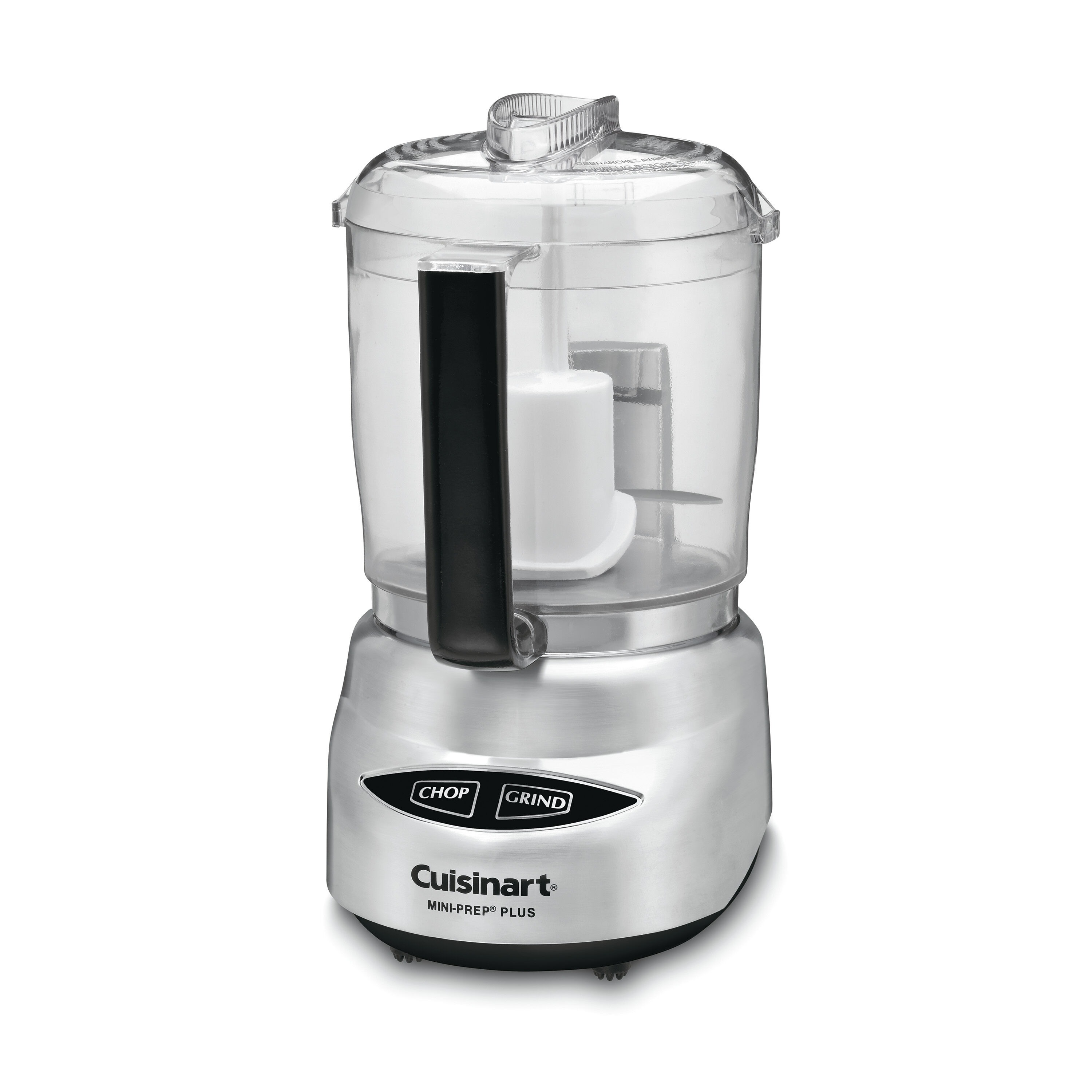
These substantial machines are built for serious home cooks, large families, and anyone who loves to entertain or batch-cook. They handle bigger batches of ingredients without requiring you to constantly stop and empty the bowl, saving valuable time and effort in the kitchen.
Why Opt for a Large Capacity Food Processor?
The benefits of integrating a large food processor into your kitchen are manifold, extending far beyond simple chopping.
Streamlined Meal Preparation
Imagine slicing several pounds of potatoes for a gratin, shredding a large block of cheese for a family pizza night, or dicing multiple onions for a rich bolognese in mere seconds. A large food processor makes light work of these otherwise tedious and time-consuming tasks. It drastically cuts down on manual knife work, allowing you to focus on the creative aspects of cooking rather than the laborious prep.
Effortless Batch Cooking and Meal Prepping
For those who embrace meal prepping or cook for a crowd, a large food processor is a game-changer. Its ample capacity means you can process significant quantities of ingredients at once, whether it’s chopping vegetables for a week’s worth of stir-fries, pureeing a big pot of soup, or kneading multiple loaves of dough. This efficiency helps you stay organized, save money, and ensure healthy, home-cooked meals are always within reach, even on the busiest days.
Unmatched Versatility
Beyond the basics of chopping, slicing, and shredding, large food processors unlock a world of culinary possibilities. Many models come equipped with specialized blades and discs for tasks like:
- Kneading Dough: A dedicated dough blade can effortlessly mix and knead dough for bread, pizza, and pastries, achieving perfect consistency in minutes.
- Grinding Nuts and Meats: Transform whole nuts into creamy butter or finely grind meats for homemade burgers and sausages.
- Pureeing and Emulsifying: Create silky smooth purees for soups, baby food, or fruit desserts, and achieve perfect emulsions for dressings and mayonnaise.
- Dicing: Some advanced large models even include dicing kits, producing uniform cubes of vegetables and fruits for salads and stews.
Healthier Eating Habits
By simplifying the preparation of fresh, whole ingredients, a large food processor encourages healthier eating. You can easily make your own sauces, dips, and baked goods from scratch, giving you full control over ingredients and avoiding unnecessary preservatives and additives found in store-bought options.
Reduced Cleanup
While food processors may seem like multi-part appliances, their ability to perform numerous tasks in one work bowl often means less overall cleanup compared to using multiple manual tools or smaller gadgets. Many components are also dishwasher-safe, making post-cooking tidying a breeze.
Types of Large Food Processors and Key Features to Consider
When investing in a large food processor, understanding the different types and their key features is crucial to finding the perfect match for your kitchen.
Full-Sized Food Processors
These are the most common large capacity models, typically ranging from 10 to 16 cups. They offer a comprehensive suite of functions and attachments, making them incredibly versatile. Brands like Breville, Cuisinart, KitchenAid, and Magimix are popular choices, known for their powerful motors and durable construction.
Commercial Food Processors
While primarily designed for professional kitchens, some home cooks with extensive needs might consider smaller commercial models. These are built for heavy-duty, continuous use, offering exceptional power and durability, though they come with a higher price tag and often require more counter space.
Essential Features to Evaluate:
- Capacity: As discussed, 10-16 cups is the sweet spot for large capacity. Consider your typical batch sizes.
- Motor Power: For heavy-duty tasks like kneading dough or grinding hard ingredients, look for a motor with at least 600 watts, with many top models boasting 700-1200 watts for optimal performance.
- Feed Tube Size: An extra-wide feed tube is a significant advantage, allowing you to process larger ingredients like whole potatoes or tomatoes with minimal pre-cutting.
- Blades and Discs: Standard inclusions usually feature an S-blade for chopping and pureeing, a slicing disc, and a shredding/grating disc. Look for models with adjustable slicing thickness, reversible discs, and specialized attachments like dough blades, dicing kits, or whisking accessories for maximum versatility.
- Build Quality and Materials: Stainless steel blades and durable, BPA-free plastics are indicators of a long-lasting machine. A sturdy, heavy base prevents wobbling during operation.
- Ease of Use and Cleaning: Intuitive controls, easy assembly, and dishwasher-safe parts are essential for a pleasant user experience. Some models offer smart storage solutions for attachments, keeping your kitchen organized.
- Noise Level: While powerful motors can be noisy, some high-end models feature induction motors that operate more quietly.
Expert Insight: “The KitchenPro Perspective”
“In my experience, many home cooks initially shy away from large food processors, thinking they’re overkill,” says Chef Antoine Dubois, Head Culinary Advisor at KitchenPro. “But once they realize the sheer volume of prep work these machines can handle, especially for weekly meal prep or entertaining, they never look back. The efficiency gained is invaluable, freeing up time to truly enjoy the cooking process and create dishes that were once too daunting.”
Large Food Processor vs. Other Kitchen Appliances
Understanding how a large food processor compares to other common kitchen tools can help solidify its place in your culinary arsenal.
Food Processor vs. Blender
While both can pulverize ingredients, they excel at different tasks. Blenders are best for liquids, smoothies, and very smooth purees where a vortex action is desired. Food processors, with their wider bowls and slower-spinning blades, are designed for solid or semi-solid ingredients, handling chopping, slicing, shredding, and kneading with greater precision and control, and often with less added liquid.
Food Processor vs. Stand Mixer
A stand mixer is a baker’s best friend, primarily used for whipping, beating, and kneading dough with various attachments. While some food processors can knead dough, a stand mixer is generally more specialized and powerful for heavy doughs and large baking projects. A food processor, however, offers far greater versatility for savory food prep tasks.
Elevating Your Cooking with a Large Food Processor
Integrating a large food processor into your routine opens up a world of culinary possibilities. Here are just a few ideas:
- Homemade Sauces and Dips: From fresh pesto and hummus to chunky salsas and creamy dressings, achieve perfect consistency with minimal effort.
- Baked Goods: Quickly cut butter into flour for pie crusts, mix cookie dough, or knead bread dough for artisanal loaves.
- Vegetable Prep: Effortlessly slice potatoes for gratins, shred cabbage for coleslaw, dice vegetables for soups and stir-fries, or even “rice” cauliflower.
- Meat and Poultry: Grind your own chicken or beef for meatballs, burgers, or tacos, ensuring freshness and control over ingredients.
- Healthy Snacks: Make homemade nut butter, energy balls, or fruit purees for nutritious treats.
Maintaining Your Culinary Powerhouse
To ensure your large food processor remains a long-lasting and reliable kitchen companion, proper care is essential:
- Read the Manual: Always refer to your specific model’s instructions for assembly, disassembly, and cleaning.
- Dishwasher-Safe Parts: Maximize convenience by placing dishwasher-safe bowls, lids, and attachments on the top rack.
- Handle Blades with Care: Food processor blades are incredibly sharp. Always exercise caution when handling and cleaning them to avoid injury. Use a brush for hard-to-reach areas.
- Cool Hot Ingredients: Allow hot foods to cool slightly before processing to prevent damage to plastic components.
- Avoid Overfilling: While large, respect your processor’s maximum fill lines, especially with liquids, to prevent spills and motor strain.
Frequently Asked Questions About Large Food Processors
What capacity is considered a large food processor?
Generally, food processors with a capacity of 10 cups or more are considered large, with many popular models ranging from 12 to 16 cups.
Can a large food processor handle small tasks efficiently?
While optimized for large batches, many large food processors come with nested smaller bowls or specific blade designs that allow them to handle smaller tasks surprisingly well. However, for tiny jobs like mincing a single clove of garlic, a mini chopper might still be more convenient.
Is a more powerful motor always better for a large food processor?
A more powerful motor (typically 600 watts and above) is crucial for a large food processor, as it allows the machine to process tough ingredients and knead dense dough without stalling or overheating. However, it’s the combination of power, blade design, and sturdy construction that truly defines performance.
Can I make smoothies in a large food processor?
Yes, most large food processors can make smoothies, but they generally perform better with thicker mixtures and may require a bit more attention than a dedicated blender to achieve a perfectly smooth, drinkable consistency.
How important is the feed tube size?
The feed tube size is very important for a large food processor, as it determines how much pre-cutting of ingredients is required. A wider feed tube (often called “extra-wide” or “large mouth”) allows you to process whole fruits and vegetables, significantly reducing prep time.
Are large food processors difficult to store?
Due to their size, large food processors do require dedicated counter or cabinet space. However, many modern designs prioritize compact storage for accessories, with blades and discs often nesting within the main bowl or in dedicated caddies.
Your Culinary Journey Starts Here
A large food processor is an investment in your kitchen, offering unparalleled efficiency and versatility that can fundamentally change the way you cook. It empowers you to tackle ambitious recipes, embrace healthier habits, and enjoy more time around the table with loved ones. By understanding your needs and considering the key features, you can choose a culinary powerhouse that will serve as your trusted sous chef for years to come.
So, go ahead, explore the possibilities, and let a large food processor unleash your inner culinary maestro. Your kitchen, and your palate, will thank you.