In today’s fast-paced world, modern cooking demands not just delicious meals but also efficiency and convenience. That’s where a trusty Kitchen Food Processor steps in, transforming tedious prep work into a swift, effortless process. As a seasoned kitchen appliance consultant with over 15 years in the industry and a dedicated content creator for KitchenPro, I’ve seen firsthand how this innovative gadget optimizes cooking routines, saves precious time, and ultimately elevates the quality of family meals. It’s more than just an appliance; it’s your culinary co-pilot, ready to tackle a myriad of tasks and unlock new possibilities in your kitchen.
Unveiling the Power of the Kitchen Food Processor
So, what exactly is a kitchen food processor, and why has it become an indispensable tool in so many homes? At its core, a food processor is a versatile kitchen appliance designed to automate and simplify repetitive food preparation tasks that would otherwise require manual effort with knives or other gadgets. Think of chopping vegetables, slicing fruits, shredding cheese, pureeing sauces, mixing dough, or even grinding nuts – all executed with lightning speed and consistent results. It’s built to handle solids and semi-solids with ease, thanks to its powerful motor and interchangeable blades and discs. This incredible machine empowers home cooks to minimize prep time and dive straight into the joy of cooking, making it a true game-changer for anyone looking to streamline their culinary journey.
Beyond Basic Chopping: The Versatile World of Food Processor Types
Choosing the right kitchen food processor starts with understanding your needs, primarily dictated by how much food you typically prepare and for how many people.
Understanding Capacity: What Size is Right for Your Kitchen?
Food processors come in various capacities, measured in cups, to suit different kitchen demands:
- Mini Food Processors (1-5 cups): These compact units are perfect for small tasks, such as finely mincing garlic and herbs, chopping nuts for a garnish, making a quick dip, or pureeing baby food. They’re excellent for single servings or small households where counter space is at a premium.
- Compact/Mid-Size Food Processors (6-11 cups): Often considered the standard, these models are versatile workhorses suitable for most everyday cooking. They can handle chopping vegetables for family meals, slicing ingredients for salads, mixing batters, and shredding cheese. If you cook regularly for a small to medium-sized family, this capacity range offers a great balance of power and footprint.
- Full-Size/Large Food Processors (12-16+ cups): For avid cooks, large families, or those who love batch cooking and meal prepping, a full-size food processor is a must. These robust machines excel at heavy-duty tasks like kneading bread dough, processing large quantities of vegetables, making big batches of soup, or creating enough ingredients for entertaining. Their wider feed tubes also accommodate larger produce, reducing pre-cutting.
Key Features That Make a Difference
Beyond capacity, several features contribute to a kitchen food processor’s overall performance and user experience:
- Motor Power (Wattage): This is crucial for handling tough ingredients. Food processors typically range from 250 to over 1000 watts. Higher wattage means more power, making it easier to process dense foods like hard cheeses, root vegetables, or sticky dough without straining the motor.
- Blades and Discs: Most food processors come with a standard S-blade for chopping, mixing, and pureeing. However, the real versatility comes from additional attachments:
- Adjustable Slicing Disc: Allows you to control the thickness of your slices, from paper-thin cucumbers to thicker potato gratin.
- Reversible Shredding Disc: For coarse or fine shredding of cheese, carrots, or cabbage.
- Dough Blade: Specifically designed for kneading bread, pizza, or pastry dough without overworking it.
- Whisking Tool: Some models include an attachment for whipping cream or egg whites.
- Feed Tube: A wide feed tube allows you to insert larger pieces of fruits and vegetables, minimizing the need for tedious pre-cutting and saving you even more time. Some models even feature multiple feed tube sizes.
- Control Settings: Beyond simple “On/Off,” a “Pulse” function is essential. It provides short bursts of power, giving you precise control over consistency, which is perfect for preventing over-processing when making chunky salsa or coarse breadcrumbs.
- Safety Features and Storage: Look for models with secure locking mechanisms that prevent the processor from operating unless all parts are correctly assembled. Built-in storage for blades and discs within the bowl itself is a fantastic feature for keeping your kitchen tidy and organized.
Our Picks for the Best Food Processor in 2026
As an Amazon Associate I earn from qualifying purchases.
Num
Product
Action
1
GANIZA Food Processors, Electric Food Chopper with Meat Grinder & Vegetable Chopper - 2 Bowls (8 Cup+8 Cup) with Powerful 450W Copper Motor - Includes 2 Sets of Bi-Level Blades for Fruits/Meat/Nuts

2
3-in-1 Professional Stainless Steel Kitchen Food Processor, Mixer, Juicer and Food Processor Blender for Fruit, Vegetable and Food Processing – Multi-Function Kitchen Appliance
3
BLACK+DECKER 8-Cup Food Processor, Easy Assembly, Stainless Steel S-Blade, Shred, Slice, Chop, Puree, 450W Motor
4
Hamilton Beach Food Processor & Vegetable Chopper for Slicing, Shredding, Mincing, and Puree, 10 Cups + Easy Clean Bowl Scraper, Black and Stainless Steel (70730)
5
Commercial Food Processor, 250W Heavy Duty Electric Meat Grinders with 1500RPM Blade Speed, 6QT Stainless Steel Food Bowl and 0-15 Mins Timer, Commercial Vegetable Chopper Food Mixer Machine
6
GROWNSY Baby Food Maker with Steam Basket, One Step Baby Food Processor Steamer Puree Blender Grinder Mills Machine, Auto Cooking Grinding and Sterili-zing for Healthy Homemade Baby Food, BPA-Free
7
Hamilton Beach Stack & Snap Food Processor and Vegetable Chopper, BPA Free, Stainless Steel Blades, 12 Cup Bowl, 2-Speed 450 Watt Motor, Black (70725A)
8
FOHERE Food Processor, 12 Cup, 2-in-1 Feed Chute Vegetable Chopper & Meat Grinder for Mincing, Dicing, Shredding, Puree & Kneading Dough, Stainless Steel
9
Ninja Food Processor, Professional Plus, 1000 Peak Watts, 4 Functions for Chopping, Slicing, Purees & Dough with 9-Cup Processor Bowl, 3 Blades, Food Chute & Pusher, Silver, BN601
10
Hamilton Beach Stack & Snap Food Processor and Vegetable Chopper, Stainless Steel Blades, 14 Cup + 4-Cup Mini Bowls, 3-Speed 500 Watt Motor, Black (70585)
|
Our Picks for the Best Food Processor in 2026
As an Amazon Associate I earn from qualifying purchases.
|
||
| Num | Product | Action |
|---|---|---|
| 1 | GANIZA Food Processors, Electric Food Chopper with Meat Grinder & Vegetable Chopper - 2 Bowls (8 Cup+8 Cup) with Powerful 450W Copper Motor - Includes 2 Sets of Bi-Level Blades for Fruits/Meat/Nuts |
|
| 2 | 3-in-1 Professional Stainless Steel Kitchen Food Processor, Mixer, Juicer and Food Processor Blender for Fruit, Vegetable and Food Processing – Multi-Function Kitchen Appliance |
|
| 3 | BLACK+DECKER 8-Cup Food Processor, Easy Assembly, Stainless Steel S-Blade, Shred, Slice, Chop, Puree, 450W Motor |
|
| 4 | Hamilton Beach Food Processor & Vegetable Chopper for Slicing, Shredding, Mincing, and Puree, 10 Cups + Easy Clean Bowl Scraper, Black and Stainless Steel (70730) |
|
| 5 | Commercial Food Processor, 250W Heavy Duty Electric Meat Grinders with 1500RPM Blade Speed, 6QT Stainless Steel Food Bowl and 0-15 Mins Timer, Commercial Vegetable Chopper Food Mixer Machine |
|
| 6 | GROWNSY Baby Food Maker with Steam Basket, One Step Baby Food Processor Steamer Puree Blender Grinder Mills Machine, Auto Cooking Grinding and Sterili-zing for Healthy Homemade Baby Food, BPA-Free |
|
| 7 | Hamilton Beach Stack & Snap Food Processor and Vegetable Chopper, BPA Free, Stainless Steel Blades, 12 Cup Bowl, 2-Speed 450 Watt Motor, Black (70725A) |
|
| 8 | FOHERE Food Processor, 12 Cup, 2-in-1 Feed Chute Vegetable Chopper & Meat Grinder for Mincing, Dicing, Shredding, Puree & Kneading Dough, Stainless Steel |
|
| 9 | Ninja Food Processor, Professional Plus, 1000 Peak Watts, 4 Functions for Chopping, Slicing, Purees & Dough with 9-Cup Processor Bowl, 3 Blades, Food Chute & Pusher, Silver, BN601 |
|
| 10 | Hamilton Beach Stack & Snap Food Processor and Vegetable Chopper, Stainless Steel Blades, 14 Cup + 4-Cup Mini Bowls, 3-Speed 500 Watt Motor, Black (70585) |
|
Mastering Your Kitchen Food Processor: Tips for Efficient Use
Unlocking the full potential of your kitchen food processor is all about technique and understanding its capabilities.
Getting Started: First Use and Assembly
- Read the Manual: This might sound obvious, but every food processor has unique assembly instructions and safety guidelines. Familiarize yourself with them to ensure safe and optimal operation.
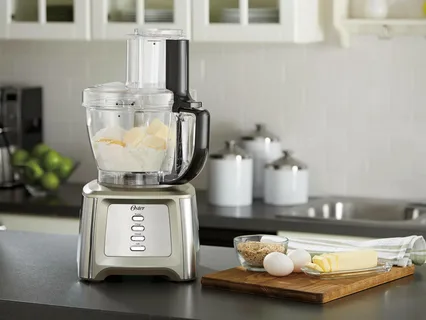
- Proper Assembly: Always ensure the bowl is securely locked onto the motor base, the blade or disc is correctly positioned, and the lid is firmly in place before turning on the appliance. Safety interlocks are common features, preventing operation if parts aren’t aligned.
Optimizing Performance with the Right Technique
- Don’t Overload: While food processors are powerful, overloading the bowl can strain the motor and lead to uneven processing. Process ingredients in batches if necessary, filling the bowl no more than two-thirds full for most tasks, and often less for liquids.
- Use the Pulse Function for Control: This is your best friend for achieving the perfect texture. Instead of a continuous run, use short, sharp pulses when chopping, mincing, or making coarse mixtures like salsa or breadcrumbs. This gives you greater control and prevents over-processing into a mush.
- Utilize the Feed Tube and Pusher Correctly: For slicing and shredding with discs, drop ingredients through the feed tube while the motor is running. Use the provided pusher to guide food down gently and evenly. Never use your fingers or other utensils.
- Adding Liquids Gradually for Emulsions: When making dressings, mayonnaise, or sauces, many recipes call for slowly drizzling liquid ingredients into the bowl. Most food processor lids have a small opening or a marked “oil drip” hole in the pusher, allowing for a steady, controlled stream while the machine is running, creating beautifully emulsified results.
Keeping It Pristine: Maintenance and Cleaning for Longevity
To ensure your kitchen food processor remains a reliable kitchen companion for years, proper care and maintenance are crucial.
Daily Care for Your Food Processor
- Disassemble and Clean Immediately: The easiest time to clean your food processor is right after use, before food residues have a chance to dry and stick. Disassemble all removable parts: bowl, lid, blades, and discs.
- Handwashing Blades (Safety First!): Blades are sharp! Always handle them with extreme caution, holding them by the plastic hub. While some blades are dishwasher-safe, handwashing is often recommended to preserve their sharpness and prevent damage to plastic coatings over time. Use a brush for stubborn bits, scrubbing from the center outwards.
- Dishwasher-Safe Parts: Most bowls and lids are top-rack dishwasher safe, making cleanup a breeze for these larger components.
- Wiping Down the Motor Base: The motor base should never be immersed in water. Instead, wipe it down with a damp cloth and a mild soap solution to remove any splatters. Ensure it’s unplugged before cleaning.
Long-Term Maintenance Tips
- Checking Blade Sharpness: Over time, even the best blades can dull. If you notice your food processor struggling or producing inconsistent cuts, it might be time to replace the blades or have them professionally sharpened, depending on the model.
- Lubricating Seals: Some older or commercial models may have seals around the motor shaft that benefit from periodic lubrication with food-grade grease or mineral oil. Always check your owner’s manual for specific recommendations.
- Proper Storage: Keep all attachments together. Many food processors are designed for blades and discs to be stored compactly inside the work bowl, saving space and preventing them from getting lost or damaged.
- Avoiding Abrasive Cleaners: Harsh chemicals or abrasive scouring pads can scratch and damage the plastic parts of your food processor. Stick to mild dish soap and soft cloths.
Culinary Adventures with Your Kitchen Food Processor: Recipes and Ideas
The kitchen food processor truly shines when it comes to expanding your culinary horizons. Here are just a few ideas to get you inspired:
Everyday Essentials Made Easy
- Chopping Vegetables: From onions and carrots for a mirepoix to bell peppers for salsa, the food processor makes quick work of uniform chopping.
- Shredding Cheese and Cabbage: Skip pre-shredded bags and get fresher, more economical results. Perfect for coleslaw or tacos.
- Making Breadcrumbs: Transform stale bread into fresh, flavorful breadcrumbs in seconds.
- Mincing Garlic and Ginger: Say goodbye to sticky fingers and uneven mincing.
Gourmet Creations at Home
- Homemade Pesto, Hummus, and Salsas: Achieve restaurant-quality dips and spreads with fresh ingredients and superior texture.
- Dough for Pizza, Pies, and Cookies: Kneading dough by hand can be time-consuming. Your food processor can mix and knead perfect dough in minutes.
- Nut Butters and Purees: Create your own healthy nut butters, smooth fruit purees for desserts, or nutritious baby food.
- Falafel and Veggie Patties: Easily combine and process ingredients for delicious homemade plant-based meals.
The Undeniable Benefits of a Kitchen Food Processor in Modern Homes
Integrating a kitchen food processor into your routine offers a multitude of advantages that streamline cooking and enhance your lifestyle:
- Time and Effort Savings: This is perhaps the most celebrated benefit. Tasks that once took minutes of tedious knife work are completed in seconds, freeing you up to focus on other aspects of your meal or simply enjoy more leisure time.
- Enhanced Culinary Versatility: From chopping and slicing to shredding, pureeing, and kneading, a food processor expands your cooking repertoire, allowing you to explore new recipes and techniques with confidence.
- Healthier Eating: By making it easier to process fresh ingredients, you’re more likely to cook from scratch, controlling sugar, salt, and preservative content. You can effortlessly whip up healthy dips, fresh salads, and vegetable-rich meals.
- Reduced Food Waste: Turn wilting vegetables into soups, leftover bread into breadcrumbs, or overripe fruit into purees or sorbets, making the most of your produce.
- Consistent Results: Achieve uniform cuts, even purees, and perfectly mixed dough every time, which not only looks professional but also ensures even cooking and consistent flavor.
- Cost-Effectiveness: While an initial investment, a food processor often replaces the need for several single-purpose gadgets (like choppers, graters, and even some mixers), saving you money and valuable cabinet space in the long run.
- Reduced Kitchen Mess: By performing multiple functions in a single bowl, a food processor can help minimize the number of dishes and utensils you need to clean, simplifying post-meal tidying.
Food Processor vs. Blender: Knowing the Difference
It’s a common question: what’s the difference between a kitchen food processor and a blender? While both are powerful kitchen appliances, they excel at different tasks. A food processor is typically wider and shorter, designed with powerful motors and interchangeable blades and discs to handle solid and semi-solid ingredients for chopping, slicing, shredding, pureeing thicker mixtures, and kneading dough. Blenders, on the other hand, are usually taller and narrower with fixed blades, optimized for liquids, smoothies, pureed soups with high liquid content, and crushing ice, creating very smooth, consistent textures. Think of your food processor for “prep” and your blender for “liquids.”
Expert Insights: My Take on the Kitchen Food Processor
“A kitchen food processor isn’t just an appliance; it’s an investment in your culinary well-being,” says Chef Anya Sharma, a renowned culinary instructor and author. “It encourages creativity, supports healthier eating habits, and most importantly, gives you back valuable time in the kitchen. Once you experience its efficiency, you’ll wonder how you ever cooked without one.”
Frequently Asked Questions (FAQ)
Q1: Can I make smoothies in a food processor?
While a food processor can technically blend liquids, its wider bowl and blade design are not optimized for creating the super-smooth consistency typically desired in smoothies. A blender is generally a better choice for smoothies.
Q2: Is a food processor worth it for small kitchens?
Absolutely! Even mini and compact food processors offer significant time-saving benefits without taking up excessive counter or storage space. Many come with clever in-bowl storage for attachments.
Q3: How often should I sharpen my food processor blades?
Food processor blades generally do not require sharpening as frequently as knives. Many blades are designed for longevity, but if you notice a significant decrease in processing efficiency or uneven cuts, it might be time to consider replacing the blade assembly, as sharpening can be complex and depends on the blade material.
Q4: What’s the best way to clean sticky dough from the bowl?
For sticky dough, try adding a little warm water and a drop of dish soap to the bowl and pulsing it a few times. This often loosens the dough, making it much easier to scrape out and clean. A silicone spatula is also very effective.
Q5: Can a food processor replace all my knives?
A food processor is an incredible tool for efficiency and consistency, but it complements, rather than completely replaces, your knives. For delicate cuts, fine precision, or very small tasks, a good chef’s knife remains essential. However, for bulk chopping, slicing, and shredding, your food processor is unbeatable.
Embrace the Culinary Revolution
The kitchen food processor is more than just a convenience; it’s a testament to how modern innovation can genuinely enhance our daily lives. From speeding up meal preparation to inspiring healthier eating and enabling ambitious culinary creations, it empowers you to take control of your kitchen with confidence and creativity. So, if you’re ready to transform your cooking experience, reduce kitchen stress, and elevate the quality of your home-cooked meals, it’s time to embrace the power of this incredible appliance. Dive in, experiment, and share your culinary adventures – your kitchen will thank you!