For anyone serious about culinary endeavors, or simply looking to make everyday cooking a breeze, a truly Good Food Processor isn’t just a luxury; it’s an indispensable ally in the kitchen. As someone with over 15 years in the kitchen appliance industry and a dedicated content creator for KitchenPro, I’ve seen firsthand how the right food processor can revolutionize meal preparation, turning laborious tasks into quick, effortless steps. From finely dicing vegetables to kneading dough for homemade bread, this versatile machine is engineered to elevate your cooking experience and bring gourmet efficiency into your home.
What Makes a Food Processor Truly “Good”?
When we talk about a good food processor, we’re not just referring to a basic chopper. We’re talking about a powerhouse that combines intelligent design with robust performance, making it a reliable partner for a vast array of kitchen tasks. Understanding these core elements is key to making an informed choice.
More Than Just Chopping: The Core Functions
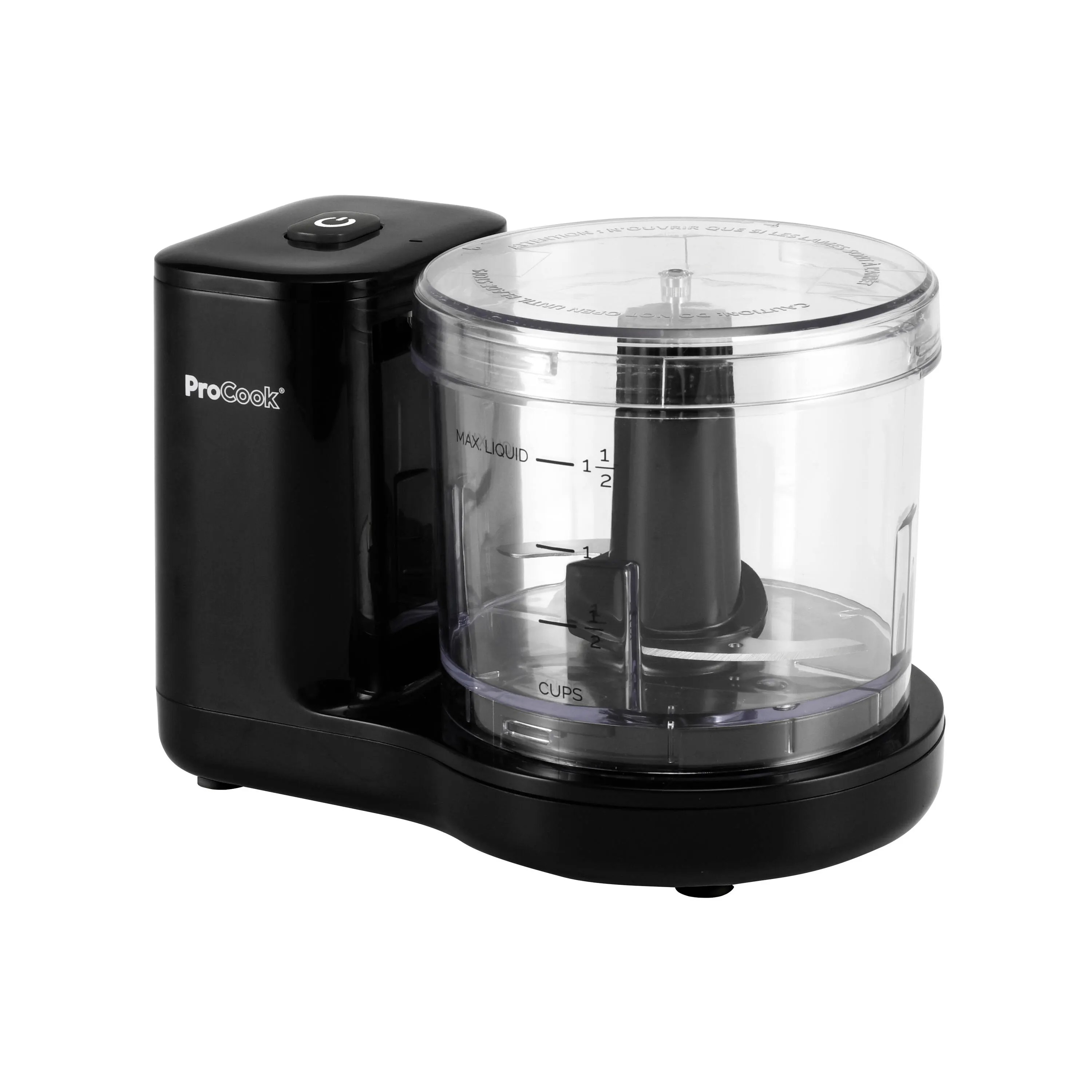
A superior food processor excels at a multitude of tasks. While chopping is its most recognized function, a truly good one will effortlessly slice, shred, grate, purée, and even knead dough. It should handle everything from delicate herbs to hard cheeses and tough root vegetables with precision and consistency. The ability to perform various functions well, without requiring excessive manual intervention or separate gadgets, is a hallmark of quality.
Power and Performance: The Motor Matters
The heart of any good food processor is its motor. A powerful motor, typically ranging from 600 watts upwards for full-sized models, is crucial for tackling demanding tasks without stalling or overheating. This ensures smooth operation when processing dense ingredients like stiff doughs, chunky nut butters, or large quantities of hard vegetables. A weaker motor might struggle, leading to uneven results or, worse, premature burnout. Look for models that offer consistent power delivery across all speed settings, including an indispensable pulse function.
Capacity and Size: Matching Your Culinary Needs
Food processors come in a range of sizes, from compact 3-cup choppers ideal for single servings or small tasks, to robust 14-cup (or larger) models designed for family meals, meal prepping, or entertaining. The “good” capacity for you depends entirely on your cooking habits and household size. A small kitchen might benefit from a compact model that saves counter space, while a busy family cook will appreciate the larger bowl for bulk preparation, minimizing the need for multiple batches. Many high-quality food processors also offer nested smaller bowls, adding to their versatility.
Blades, Discs, and Attachments: Unlocking Versatility
A good food processor comes equipped with a thoughtful selection of blades and discs to maximize its utility. Beyond the standard S-blade for chopping and puréeing, look for:
- Slicing discs: Often adjustable to vary thickness for perfect potato gratin or uniform cucumber slices.
- Shredding discs: For grating cheese, vegetables, or even chocolate.
- Dough blades: Essential for effortless bread and pastry making.
- Dicing kits: A premium feature that transforms vegetables into perfect, uniform cubes.
- Specialized attachments like julienne discs, citrus juicers, or peeling discs can further enhance its capabilities, making it a true kitchen multi-tasker.
Ease of Use and Cleaning: A Kitchen Pro’s Priority
Even the most powerful food processor loses its appeal if it’s a nightmare to operate or clean. A good food processor features intuitive controls, whether they are simple buttons, levers, or a sleek touchpad that’s easy to wipe clean. Assembly should be straightforward, with parts snapping securely into place. Dishwasher-safe components are a huge plus, though hand-washing blades is often recommended to maintain their sharpness. A wide feed chute is also a practical consideration, allowing you to add larger pieces of food with less pre-cutting, thus saving valuable prep time.
Choosing Your Ideal Kitchen Companion
Investing in a good food processor means selecting a model that aligns perfectly with your lifestyle and cooking aspirations. It’s about finding that sweet spot between features, performance, and value.
Assessing Your Needs: What Will You Make?
Before diving into specifications, think about your typical cooking routine. Are you frequently making salsa, hummus, or pesto? Do you bake bread or pastries from scratch? Do you prepare large batches of ingredients for weekly meal prep?
- Small tasks (herbs, nuts, dips): A mini food processor (3-5 cups) or a standard model with a mini bowl attachment might suffice.
- Everyday cooking (family meals, chopping veggies): A mid-sized food processor (7-11 cups) offers a great balance of capacity and versatility.
- Large batches, extensive baking, entertaining: A large-capacity food processor (12-16 cups) is your best bet for handling substantial quantities.
Key Features to Prioritize
Once you’ve determined your primary needs, focus on these essential features that contribute to a truly good food processor:
- Motor Wattage: Aim for at least 600W for standard models; 1000W+ for heavy-duty use or larger capacities.
- Bowl Material: Durable, BPA-free plastic is common. Look for clear bowls for easy monitoring.
- Blade Quality: Sharp, stainless steel blades are crucial for efficient processing.
- Stability: A heavy base or suction cups prevent the unit from moving during operation.
- Pulse Function: Non-negotiable for precise control, especially for chunky textures.
- Safety Features: Interlocking lids and bowls are standard for safe operation.
- Warranty: A longer warranty period often indicates manufacturer confidence in durability.
Budgeting for Quality: Where to Invest
Like any major appliance, food processors come at various price points. While budget models can get the job done for basic tasks, investing in a mid-to-high range food processor often translates to superior motor power, better build quality, a wider range of attachments, and enhanced durability. Consider it an investment in efficiency and culinary creativity. Top brands like Cuisinart, Breville, and KitchenAid consistently receive high marks for performance and longevity, though more affordable options from brands like Ninja and Hamilton Beach can also be a good food processor choice for those on a tighter budget looking for reliable basic functions.
Mastering Your Food Processor: Tips for Optimal Use
Unleashing the full potential of your good food processor involves a few pro tips that ensure perfect results every time.
Prepping Ingredients for Success
Even with a wide feed chute, it’s often beneficial to cut ingredients into somewhat uniform sizes before adding them. This promotes even processing and prevents the motor from straining unnecessarily. For leafy greens, pack them loosely. For dense items like cheese, cut them into pieces that fit comfortably down the chute.
Pulse, Process, Perfect: Control is Key
The pulse function is your best friend. Instead of letting the machine run continuously, use short bursts to achieve the desired consistency. This gives you greater control, whether you’re aiming for a coarse chop for salsa or a fine crumble for pastry dough. Continuous processing can quickly turn ingredients into a purée, which might not always be your goal.
Safety First: Operating Your Appliance
Always ensure the bowl and lid are properly locked into place before starting the food processor. Never reach into the work bowl while the blades are in motion. Use the pusher provided to guide ingredients through the feed chute, keeping your fingers safely away from the moving parts. These simple safety measures ensure a long and incident-free life for your appliance.
Beyond the Basics: Creative Culinary Uses for Your Food Processor
A good food processor is a gateway to culinary exploration, making complex dishes more accessible and everyday meals more exciting.
From Everyday Meals to Gourmet Delights
The possibilities are truly endless. Think beyond basic chopping:
- Dough Mastery: Easily knead bread dough, pie crusts, and cookie batters.
- Sauces & Dips: Create silky smooth hummus, pestos, salsas, and mayonnaise.
- Gourmet Prep: Achieve professional-grade dicing for mirepoix, julienned vegetables for salads, or finely grated zest.
- Homemade Nut Butters: Transform roasted nuts into creamy, healthy spreads.
- Meat Grinding: Grind your own fresh meat for burgers, meatballs, or sausages.
- Baby Food: Quickly purée fruits and vegetables for homemade baby food, ensuring fresh, wholesome ingredients.
Healthy Habits Made Easy
A food processor empowers you to take control of your diet. By making it effortless to chop fresh vegetables, create homemade dressings without preservatives, or blend nutritious smoothies, a good food processor supports a healthier lifestyle. You can easily make large batches of vegetable purées to add to soups or sauces, boosting nutritional content with minimal effort.
Maintenance & Care: Keeping Your Food Processor in Top Shape
To ensure your good food processor remains a reliable kitchen companion for years, proper maintenance is essential.
Daily Cleaning Rituals
For most models, disassembling the bowl, lid, and blades immediately after use and washing them in warm, soapy water is best. Many components are dishwasher-safe, but always check your manual. For stubborn residue, a soft brush can be helpful. Pay special attention to the seals and crevices to prevent food buildup. A clean food processor is a happy food processor!
Troubleshooting Common Issues
If your food processor isn’t performing as expected, a few quick checks can often resolve the issue:
- Motor not starting: Ensure the bowl and lid are securely locked. Most modern food processors have safety interlocks.
- Uneven chopping: You might be overfilling the bowl or processing continuously instead of pulsing. Remove some ingredients or use the pulse function.
- Straining motor: You might be overloading it with too many dense ingredients. Process in smaller batches.
- Leaks: Check that the bowl is correctly seated and that the lid gasket is clean and properly positioned.
Food Processor vs. Other Appliances: A Clear Distinction
While some kitchen gadgets have overlapping functions, a good food processor stands apart with its unique capabilities.
Food Processor vs. Blender
This is a common point of confusion. A blender is designed primarily for liquids, creating smooth purées, smoothies, and soups by rapidly spinning blades at the bottom of a tall pitcher. A food processor, with its wider bowl and S-shaped blade, is built for solid and semi-solid ingredients, excelling at chopping, slicing, shredding, and kneading dough. While some high-powered blenders can handle a few food processor tasks, they often require added liquid and won’t achieve the same precise cuts or dough consistency.
Food Processor vs. Food Chopper
A food chopper is essentially a mini food processor, typically with a smaller capacity (1-4 cups) and fewer functions. It’s great for quickly chopping small quantities of onions, garlic, or nuts. However, for larger tasks, slicing, shredding, or kneading dough, a good food processor is the clear winner due to its larger capacity, more powerful motor, and diverse attachments.
“In my two decades in professional kitchens, a truly good food processor has always been the cornerstone of efficient prep. It’s not just about speed; it’s about consistency, versatility, and the ability to handle a range of tasks that would otherwise demand multiple tools and far more time. It’s an investment that pays dividends daily.” – Chef Liam O’Connell, Culinary Innovator.
Frequently Asked Questions
What size food processor is best for a family of four?
For a family of four, an 8 to 11-cup food processor is generally recommended. This capacity allows you to efficiently handle most family-sized meal prep tasks, such as chopping vegetables, shredding cheese, or making dough, without needing to process in multiple small batches.
Can a food processor knead dough effectively?
Yes, a good food processor with a powerful motor and a dedicated dough blade can knead dough very effectively and quickly. It can significantly reduce the physical effort and time involved in making bread, pizza, or pastry dough compared to kneading by hand or with a stand mixer.
How do I clean my food processor thoroughly?
To clean your food processor thoroughly, disassemble all removable parts (bowl, lid, blades, pusher) immediately after use. Wash them in warm, soapy water or place dishwasher-safe components in the dishwasher. Pay attention to seals and crevices to prevent food particles from drying and sticking.
Is a higher wattage always better for a food processor?
Generally, a higher wattage indicates a more powerful motor, which is beneficial for tackling tough ingredients like hard cheeses, nuts, or dense dough without straining. For a full-sized food processor, a motor of 600 watts or more is usually considered good. However, wattage isn’t the only factor; blade design and overall build quality also play crucial roles in performance.
What’s the difference between a food processor and a blender?
A food processor is designed for chopping, slicing, shredding, grating, and kneading solid or semi-solid foods, using a wide bowl and various blade attachments. A blender is primarily designed for processing liquids, creating smooth purées, smoothies, and sauces in a tall pitcher.
Embrace the Culinary Powerhouse
A good food processor is more than just a kitchen gadget; it’s a culinary game-changer that streamlines your cooking, expands your recipe repertoire, and empowers you to create delicious, healthy meals with remarkable ease. By understanding what makes a food processor exceptional and choosing one that fits your unique needs, you’re not just buying an appliance; you’re investing in a more efficient, creative, and enjoyable cooking journey. So go ahead, explore the possibilities, and let a truly good food processor transform your kitchen life.