In the bustling world of modern cooking, where time is a precious commodity and culinary creativity knows no bounds, a truly exceptional kitchen appliance stands out: the food processor. But we’re not just talking about any food processor. We’re zeroing in on the ultimate multitasker, the culinary workhorse that elevates your meal prep from tedious to triumphant: the Food Processor With Grater. If you’ve ever found yourself wrestling with a box grater, risking knuckles and patience, then you already understand the silent plea for a better way. This incredible machine isn’t just about chopping and pureeing; it’s about transforming ingredients with speed and precision, particularly when it comes to grating.
What is a Food Processor with Grater and Why Do You Need One?
At its heart, a food processor with grater is a powerful electric motor base paired with various interchangeable blades and discs, designed to automate many of the most time-consuming kitchen tasks. The “grater” component typically refers to a shredding disc (or sometimes multiple discs for fine and coarse grating) that attaches to the processor’s central drive shaft. When food is fed through the machine’s feed tube, the spinning disc quickly and uniformly shreds it into perfect pieces.
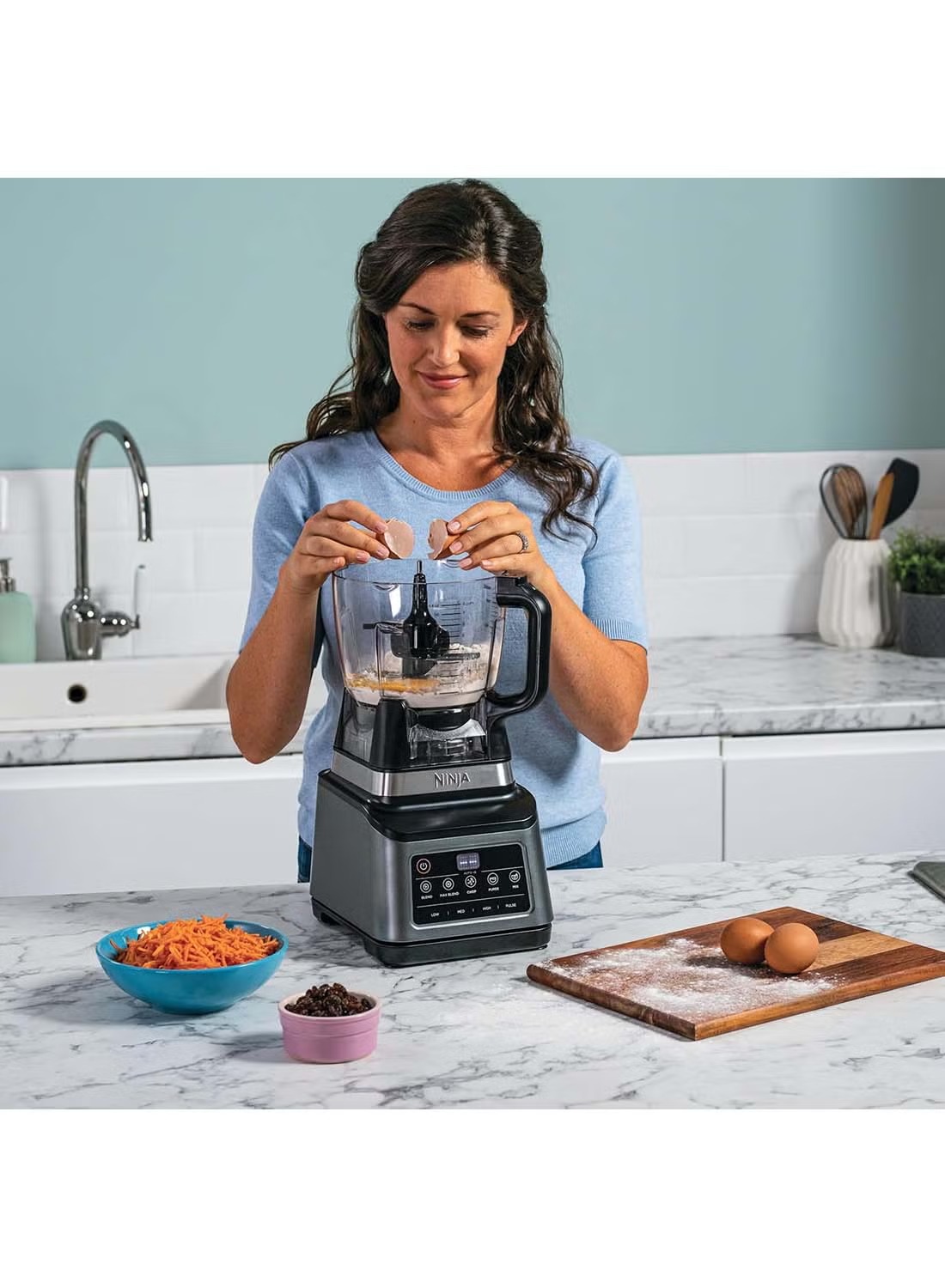
Why is this a game-changer? Imagine grating a large block of cheddar for a family taco night, a mound of carrots for a vibrant salad, or even potatoes for a batch of crispy hash browns. By hand, these tasks are laborious, messy, and inconsistent. With a food processor with grater, these jobs are done in mere seconds, with minimal effort and perfectly uniform results every single time. It brings efficiency, consistency, and pure joy back into your kitchen.
The Core Components: Understanding Your Grating Discs
The magic of a food processor with grater lies in its specialized discs. Most models come equipped with a reversible slicing/shredding disc. One side offers a slicing blade for thin cuts of vegetables, while the other features raised shredding perforations. You simply flip the disc over depending on your desired outcome. Some advanced food processors even offer multiple shredding discs, allowing you to choose between fine, medium, or coarse grating, expanding your culinary repertoire even further.
These discs are typically made from durable stainless steel, built to withstand the rigor of dense foods like hard cheeses or root vegetables. The design ensures that food passes through quickly and falls into the work bowl below, keeping your countertop clean and your hands safe. The feed tube, often varying in size, is where you introduce your ingredients. For optimal results, a food pusher is used to guide the food down onto the spinning disc, ensuring even contact and preventing food from bouncing around.
Unlocking Culinary Potential: What Can You Grate?
The versatility of a food processor with grater is truly remarkable. Once you discover how easily it handles grating, you’ll wonder how you ever managed without one.
Vegetables: Your Daily Dose, Made Easy
- Carrots: For vibrant salads, delicious carrot cake, or healthy slaws, perfect shreds are produced in moments.
- Cabbage: Forget tedious knife work for coleslaw; your food processor with grater makes light, airy shredded cabbage a breeze.
- Zucchini & Potatoes: Ideal for quick gratins, fritters, or hash browns, slicing or shredding these vegetables becomes effortless.
- Beets & Root Vegetables: Easily incorporate nutrient-rich root vegetables into your meals without the stain or struggle of hand grating.
Cheeses: From Appetizers to Entrees
- Hard Cheeses: Parmesan, Pecorino, or Asiago can be finely grated for pasta toppings or incorporated into breadings. For a powdery texture, sometimes the main S-blade can be used with small chunks of hard cheese, pulsed until finely ground.
- Semi-Hard Cheeses: Cheddar, mozzarella, or Monterey Jack can be quickly shredded for tacos, pizzas, casseroles, or grilled cheese sandwiches. A trick for softer cheeses is to chill them thoroughly before grating to ensure firm, distinct shreds.
Other Foods: Unexpected Delights
- Nuts: Finely grate nuts for baking, crusts, or as a garnish.
- Chocolate: Create beautiful chocolate curls or fine shavings for desserts.
- Coconut: Shred fresh coconut for cakes, curries, or tropical treats.
As Culinary Director for KitchenPro, Ava Chen often shares, “A food processor with grater isn’t just a convenience; it’s an enabler. It empowers home cooks to experiment with ingredients and recipes they might otherwise avoid due to prep time, truly expanding their culinary horizons.”
How to Use Your Food Processor’s Grating Function Like a Pro
Using your food processor with grater is straightforward, but a few pro tips can maximize efficiency and results:
- Assemble Correctly: Ensure the shredding disc is properly seated on the drive shaft and the lid is securely locked in place. Refer to your manual for model-specific instructions.
- Prepare Your Food: Cut ingredients into pieces that comfortably fit the feed tube. For best results with most foods, especially cheese, make sure they are cold and firm. This helps achieve cleaner, more defined shreds.
- Feed with Purpose: Place your ingredient into the feed tube. For longer shreds of vegetables like carrots or zucchini, feed them horizontally. Use the food pusher to apply steady, gentle pressure as the food processor operates. Avoid jamming the feed tube, as this can strain the motor and produce uneven results.
- Pulse or Continuous: For most grating tasks, continuous operation will yield the fastest and most uniform results. However, if you’re grating a very small amount or aiming for a slightly coarser texture, using the pulse function in short bursts can give you more control.
Beyond Grating: The Multifaceted Benefits of a Food Processor
While the grating function of a food processor with grater is a standout feature, the appliance itself offers a wealth of benefits that streamline almost every aspect of cooking:
- Time-Saving Powerhouse: Tasks that take minutes or even an hour by hand – like chopping onions, mincing garlic, or dicing vegetables – are accomplished in mere seconds. This speed dramatically cuts down on overall meal preparation time.
- Reduced Effort and Physical Strain: Say goodbye to sore hands and wrists from endless chopping. The food processor does the hard work for you, making elaborate meals accessible even on busy weeknights.
- Consistent Results: Whether you’re slicing, dicing, or grating, a food processor delivers perfectly uniform pieces, ensuring even cooking and professional-looking dishes every time. This consistency is difficult, if not impossible, to achieve by hand.
- Unmatched Versatility: Beyond grating, your food processor can chop, mince, slice, puree, blend, and even knead dough. With various blades and attachments, it can tackle everything from homemade hummus and pestos to bread doughs and pie crusts.
- Promotes Healthier Eating: By simplifying the prep work for fresh fruits and vegetables, a food processor encourages you to cook more at home, leading to healthier, more nutritious meals. You’re more likely to whip up a fresh batch of coleslaw or grate vegetables into a stir-fry when it takes no effort.
The grater attachment specifically enhances these benefits by tackling one of the most tedious and often overlooked aspects of cooking, making wholesome and complex dishes more approachable.
Choosing the Right Food Processor with Grater for Your Kitchen
Selecting the perfect food processor with grater depends on your specific needs and cooking habits. Here are key factors to consider:
- Motor Power: For frequently grating hard vegetables or cheeses, look for a robust motor, typically 700 watts or more. Powerful motors handle dense ingredients without bogging down, ensuring smooth and efficient processing. Brands like Breville and Ninja often feature motors in the 1000W range, offering exceptional power.
- Bowl Capacity: Food processor bowls range from mini (3-5 cups) to large (12-16 cups). Consider your typical batch size. A 7-cup or 12-cup model is a popular choice for most families, offering a good balance of size and versatility.
- Disc Variety: Beyond a standard shredding disc, some models offer adjustable slicing discs (like Breville’s Sous Chef with 24 settings) or separate fine grating discs for specialized tasks. More disc options mean greater versatility.
- Feed Tube Size: A wider feed tube accommodates larger chunks of food, reducing the need for pre-cutting and saving even more time.
- Ease of Cleaning: Look for models with dishwasher-safe parts and simple assembly/disassembly. Many modern food processors, such as certain Hamilton Beach and Ninja models, prioritize easy cleanup.
Top brands like Cuisinart, Breville, KitchenAid, and Ninja offer excellent food processor with grater options, each with unique features catering to different culinary demands.
Maintenance and Cleaning Tips for Longevity
To ensure your food processor with grater remains a star in your kitchen for years to come, proper maintenance and cleaning are essential:
- Immediate Cleaning: After each use, disassemble the bowl, lid, blades, and discs immediately. Food particles are much easier to remove before they dry and harden.
- Dishwasher Safe: Many components are top-rack dishwasher safe. Always check your manual for specific care instructions.
- Hand Washing: For non-dishwasher-safe parts or stubborn residue, wash with warm, soapy water and a brush. Be extra careful when handling sharp blades and discs.
- Storage: Store blades and discs safely to prevent damage and accidental cuts. Many food processors come with dedicated in-bowl storage solutions or separate caddies.
Food Processor with Grater: FAQs
Q: What’s the difference between a shredding disc and a grating disc?
A: Often, these terms are used interchangeably. However, some food processors might offer a “shredding disc” for medium to coarse results (like for cheese or cabbage) and a separate “fine grating disc” for ingredients requiring a very fine texture, such as Parmesan or ginger.
Q: Can I grate soft cheese in my food processor?
A: Yes, but for best results, make sure soft cheeses (like mozzarella) are very cold and firm, even partially frozen for 15-30 minutes, before grating. This prevents them from becoming mushy.
Q: Is a food processor with grater efficient for small amounts of food?
A: While they excel at large quantities, food processors can also handle small amounts. Ensure the food piece is large enough to be caught by the disc, and use the food pusher effectively. For very tiny amounts, a mini food chopper might be more suitable.
Q: How do I get perfectly even shreds?
A: For even shreds, ensure your ingredients are cut to fit snugly into the feed tube, and apply consistent, gentle pressure with the food pusher. Avoid overfilling the feed tube or pushing too hard, which can result in uneven pieces.
Conclusion
The food processor with grater is more than just a kitchen gadget; it’s a culinary companion that empowers you to cook smarter, not harder. It saves precious time, reduces effort, and consistently delivers professional-quality results, especially when it comes to grating. From preparing everyday meals to tackling ambitious recipes, this versatile appliance streamlines your kitchen workflow and invites you to explore a world of fresh, homemade possibilities. If you’re looking to elevate your cooking, enhance your efficiency, and unlock new levels of culinary creativity, embracing a high-quality food processor with grating capabilities is undoubtedly one of the best investments you can make for your kitchen. So, dust off that old hand grater and get ready to experience the sheer joy and simplicity of modern food preparation!