In the bustling heart of any modern home, the kitchen stands as a testament to both tradition and innovation. For years, home cooks have sought tools that simplify complex tasks, making healthy and delicious meals a daily reality. Among the most essential allies in this culinary quest are the Food Processor And Blender, two powerhouses designed to revolutionize how we approach meal preparation. Understanding the unique strengths of a food processor and blender, whether as separate entities or a brilliant combination unit, is key to unlocking your full kitchen potential. Let’s dive into how these remarkable appliances can transform your cooking experience, saving you time and effort while expanding your culinary horizons.
Understanding the Powerhouses: Food Processors and Blenders Defined
Before we talk about how they work together, it’s helpful to understand what each kitchen hero does best. Think of them as specialists with distinct but complementary skill sets.
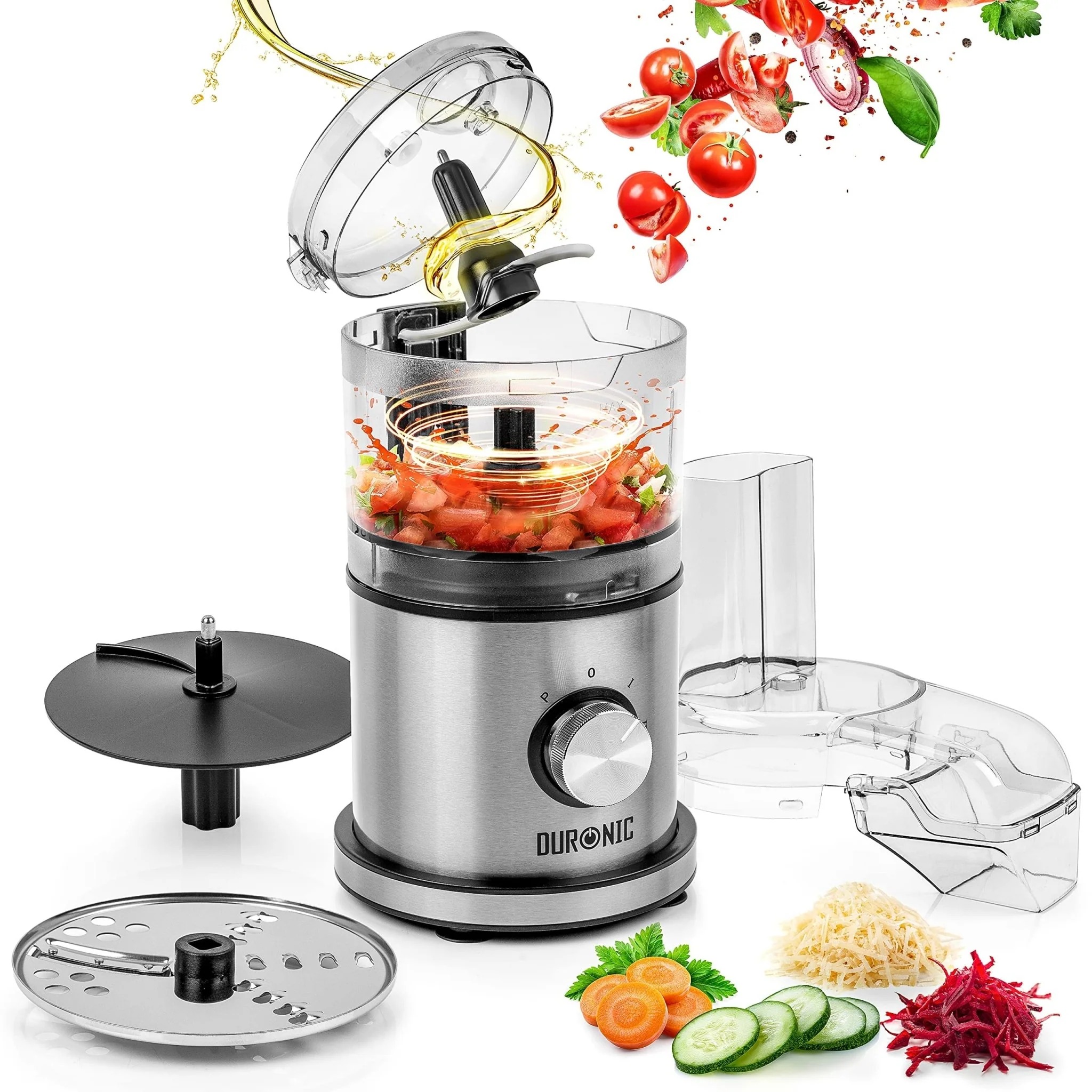
The Mighty Food Processor: Your Prep Master
A food processor is your ultimate sous chef for all things chopping, slicing, grating, and shredding. With its wide work bowl and versatile array of blades – from the S-blade for mincing and pureeing to discs for perfect slices and shreds – it tackles solid ingredients with ease. Need to chop a mountain of onions without shedding a tear? Done. Want to whip up a batch of homemade hummus in minutes? Absolutely. A good food processor can even knead dough for bread or pizza, making it an indispensable tool for baking and general meal prep. It excels at tasks where you need consistent texture for solids, offering control that no knife can match.
The Versatile Blender: Your Smooth Operator
On the other side of the counter, the blender is the undisputed champion of liquids and smooth concoctions. Its tall pitcher and rapidly spinning blades are engineered to pulverize, liquefy, and emulsify ingredients into velvety smooth textures. From morning smoothies packed with fruits and greens to creamy soups, silky sauces, and homemade nut milks, a blender is designed to create fluidity. High-powered blenders can even crush ice with ease and, through friction, heat cold ingredients into steaming hot soups. When your goal is a homogenous, drinkable, or pourable consistency, the blender is your go-to gadget.
The Best of Both Worlds: Exploring Food Processor and Blender Combination Units
What if you could have the best of both worlds in one sleek package? That’s precisely where food processor and blender combination units shine. These ingenious appliances are designed to offer the functionalities of both a robust food processor and a powerful blender, often by using a single motor base with interchangeable attachments.
Why a Combo Might Be Your Kitchen’s New MVP
For those with limited counter space or a desire for streamlined kitchen operations, a combo unit is a game-changer. Imagine reducing two bulky appliances down to one, freeing up valuable real estate in your kitchen. Beyond space-saving, these hybrids can also be a more cost-effective solution than purchasing two high-quality separate units. The convenience of switching from making a batch of salsa in the food processor bowl to blending a smoothie in the pitcher with the same motor base is undeniably appealing. It truly offers a versatile solution for a wide range of culinary tasks, from daily breakfast blends to elaborate dinner preparations, making the food processor and blender work in harmony.
Key Features to Look for in a Hybrid Appliance
When considering a combined food processor and blender, pay attention to a few critical features. First, motor power is paramount; a higher wattage generally means better performance for both blending tough ingredients and processing dense foods. Look for models with at least 1000 watts. Second, consider the capacity of both the food processor bowl and the blender pitcher to ensure they meet your family’s needs. Third, assess the attachments included – a good combo should offer multiple blades and discs for various processing tasks. Finally, ease of switching between functions and the overall quality of blades and construction will determine the longevity and efficiency of your unit.
Mastering Your Machines: Effective Usage Tips for Food Processors and Blenders
To truly leverage the power of your food processor and blender, understanding a few user-friendly tips can make all the difference.
Getting Started with Your Food Processor
When using your food processor, remember to cut larger ingredients into uniform pieces to ensure even processing. Don’t overcrowd the bowl; fill it no more than two-thirds full to allow ingredients to circulate properly. For most chopping tasks, use the pulse function rather than continuous blending. This gives you greater control over the consistency, preventing over-processing and turning your chunky salsa into a puree. Always choose the right blade or disc for the task – the S-blade for chopping, slicing discs for uniform slices, and grating discs for cheese or vegetables.
Blending Like a Pro
For optimal blending, layer your ingredients correctly. Start with liquids, then soft ingredients (like leafy greens or cooked fruits), followed by harder items (like ice or frozen fruit), and finally powders or spices. This helps create a vortex, drawing ingredients down into the blades. Begin blending on a low speed and gradually increase it, especially when dealing with hot liquids, to prevent splashes and pressure build-up. If your blender seems to be struggling, add a little more liquid to aid the process. Don’t be afraid to use the tamper if your blender comes with one, as it helps push ingredients down towards the blades without stopping the motor.
Keeping Them Pristine: Maintenance and Cleaning for Longevity
Regular cleaning is vital for both hygiene and extending the lifespan of your food processor and blender. Thankfully, modern designs make this relatively simple.
Simple Steps for a Spotless Food Processor
After each use, disassemble all removable parts immediately. Most bowls, lids, and blades are top-rack dishwasher safe, but always check your manual. For hand washing, a bottle brush can be very effective for reaching tricky crevices. Be extremely cautious when handling sharp blades! A good trick for dried-on food is to fill the bowl with warm water and a drop of dish soap, then run the processor for a few seconds. Rinse thoroughly and allow all parts to air dry completely before reassembling to prevent odors and mildew.
Ensuring Your Blender Stays Sparkling
Cleaning a blender is often even easier. For a quick clean, simply rinse the pitcher immediately after use. For a deeper clean, especially after blending sticky or oily ingredients, fill the pitcher halfway with warm water, add a drop of dish soap, secure the lid, and run it on high for 30-60 seconds. This self-cleaning method is incredibly effective. Rinse well and let it air dry. If you notice persistent odors, blend a solution of water and white vinegar, then rinse. Proper maintenance of your food processor and blender ensures they’re always ready for your next culinary adventure.
Culinary Creations: Recipes and Ideas for Your Food Processor and Blender
Let’s talk about the fun part – what can you actually make with these incredible machines? The possibilities are truly endless, transforming everyday ingredients into extraordinary meals.
Whisk Up Wonders with Your Processor
Your food processor is a workhorse for preparing components of a meal quickly. Think vibrant homemade pesto from fresh basil, pine nuts, garlic, and Parmesan. Or a creamy, smooth hummus that rivals any store-bought version. It can finely chop vegetables for salsa in seconds, create crumbly pie crusts or biscuit dough with minimal effort, and even grind nuts into butter or bread into fresh crumbs. For health-conscious cooks, it’s perfect for whipping up veggie burgers from beans and grains or homemade energy balls.
Smooth Sensations from Your Blender
When it comes to the blender, it’s all about smooth indulgence. Start your day with power-packed smoothies – blend fruits, veggies, yogurt, and protein powder for a quick, nutritious breakfast. Create comforting creamy soups like tomato basil or butternut squash by blending cooked ingredients directly in the pitcher. You can also make your own nut milks (almond, oat, cashew) or dairy-free salad dressings and sauces (like hollandaise or homemade mayonnaise). A blender is also excellent for pureeing baby food or making fruit sorbets. The ability to liquify almost anything means you can experiment with flavor combinations like never before.
The Unbeatable Advantages: How Food Processors and Blenders Transform Your Kitchen
Beyond simply performing tasks, these appliances bring profound benefits that elevate your entire cooking experience. The presence of a reliable food processor and blender fundamentally changes the way you interact with food preparation.
Saving Time and Effort
This is perhaps the most significant advantage. Imagine chopping five onions, shredding a block of cheese, and dicing a dozen tomatoes in the time it would take to do one by hand. That’s the power of the food processor. Similarly, a blender can whip up a nourishing meal replacement in less than five minutes. This efficiency frees up precious time, making it easier to stick to healthy eating habits and enjoy home-cooked meals even on busy weeknights. Less manual labor also means less fatigue, making cooking more enjoyable.
Expanding Your Culinary Horizon
With the arduous prep work handled, you’ll feel more inspired to try new recipes and experiment with ingredients you might have previously avoided. Making fresh salsa, homemade nut butter, or elaborate pureed soups suddenly becomes less daunting. This encourages a more adventurous approach to cooking, allowing you to explore diverse cuisines and techniques. The ability to easily create homemade alternatives to processed foods also means you have greater control over the ingredients, leading to healthier and more delicious outcomes for you and your family.
Making the Smart Choice: Food Processor vs. Blender vs. All-in-One
Deciding between a food processor, a blender, or a combination unit comes down to your specific cooking habits, kitchen space, and budget. There’s no single “right” answer, but rather the best fit for you.
When a Food Processor Shines Alone
If your kitchen adventures primarily involve extensive prep work for baking, making dips, sauces, or large-batch cooking that requires chopping, slicing, or kneading, a dedicated food processor might be your best bet. These stand-alone units often offer larger capacities and more robust motor power specifically optimized for processing solids, handling dense ingredients with ease.
When a Blender is Non-Negotiable
For those who prioritize smoothies, shakes, creamy soups, and smooth sauces, a high-quality stand-alone blender is indispensable. Especially if you frequently crush ice, blend frozen fruits, or make hot liquids, a powerful blender with a dedicated blending pitcher will deliver superior, consistently smooth results. Some blenders are designed with unique blade systems and motor technologies specifically for liquifying tasks.
Is a Combo Unit Right for You?
A combination food processor and blender unit is an excellent choice for individuals or families who desire versatility without sacrificing too much kitchen real estate. If you find yourself needing both functions regularly but can’t justify two separate appliances, or if you’re just starting to build your kitchen appliance collection, a well-designed combo offers a fantastic balance of functionality and convenience. Just ensure the motor is powerful enough to handle both tasks effectively.
Expert Insight: A Professional’s Take
“In my 15 years in kitchen appliance consulting, the debate between food processors and blenders is ever-present. For many home cooks, the ideal solution isn’t one or the other, but understanding how both, or a high-quality combination unit, can radically enhance their culinary efficiency and creativity. It’s about empowering you to cook smarter, not harder.” – Clara Nguyen, KitchenPro Senior Consultant
Frequently Asked Questions (FAQ)
What is the main difference between a food processor and a blender?
The primary difference lies in their function: a food processor excels at processing solid ingredients like chopping, slicing, and shredding, while a blender is designed to liquefy and create smooth purees from liquids and soft solids.
Can a food processor do everything a blender can do?
While a food processor can handle some blending tasks, especially for thicker purees like hummus or pesto, it generally cannot achieve the same smooth, liquid consistency as a dedicated blender, particularly for smoothies or thin soups.
Are combination food processor and blender units effective?
Yes, many combination units are highly effective, offering the convenience of two appliances in one. Look for models with robust motors and quality attachments to ensure strong performance for both food processing and blending tasks.
What should I consider when buying a food processor or a blender?
Consider motor power, capacity, the types of tasks you’ll perform most often, available attachments, ease of cleaning, and your kitchen counter space. Your budget also plays a significant role in your decision.
How often should I clean my food processor and blender?
It’s best to clean both your food processor and blender immediately after each use. This prevents food from drying and sticking, making cleaning much easier and more hygienic.
Can I make hot soup in a blender?
Many powerful blenders are designed to handle hot liquids, and some high-speed models can even heat cold ingredients into hot soup through friction. Always check your blender’s manual for specific instructions and safety warnings.
What are some common mistakes to avoid when using these appliances?
Avoid overfilling the bowls or pitchers, ensure lids are properly secured before operating, don’t use the wrong blade for the task, and never put your hand inside while the machine is plugged in. Always consult your appliance’s manual.
Conclusion
The food processor and blender are more than just kitchen gadgets; they are true partners in culinary exploration, transforming how you prepare and enjoy food. Whether you opt for separate dedicated machines or embrace the efficiency of a high-quality combination unit, integrating a food processor and blender into your routine will undoubtedly streamline your cooking, open doors to new recipes, and empower you to create healthier, more delicious meals with ease. So, take the plunge, experiment with confidence, and discover the incredible difference these dynamic duo can make in your kitchen.