In the bustling world of modern kitchens, where space is often a luxury, finding appliances that genuinely enhance your cooking experience without overwhelming your countertop is a true win. Enter the Compact Food Processor – a remarkable culinary companion designed to simplify your food preparation, save you time, and open up a world of culinary possibilities, even in the coziest of spaces. If you’ve ever felt that full-sized food processors were just too bulky or too much for your daily needs, then this guide is for you. We’ll explore how this ingenious device can become the most valuable player in your kitchen lineup, proving that great things indeed come in small packages.
What Exactly is a Compact Food Processor?
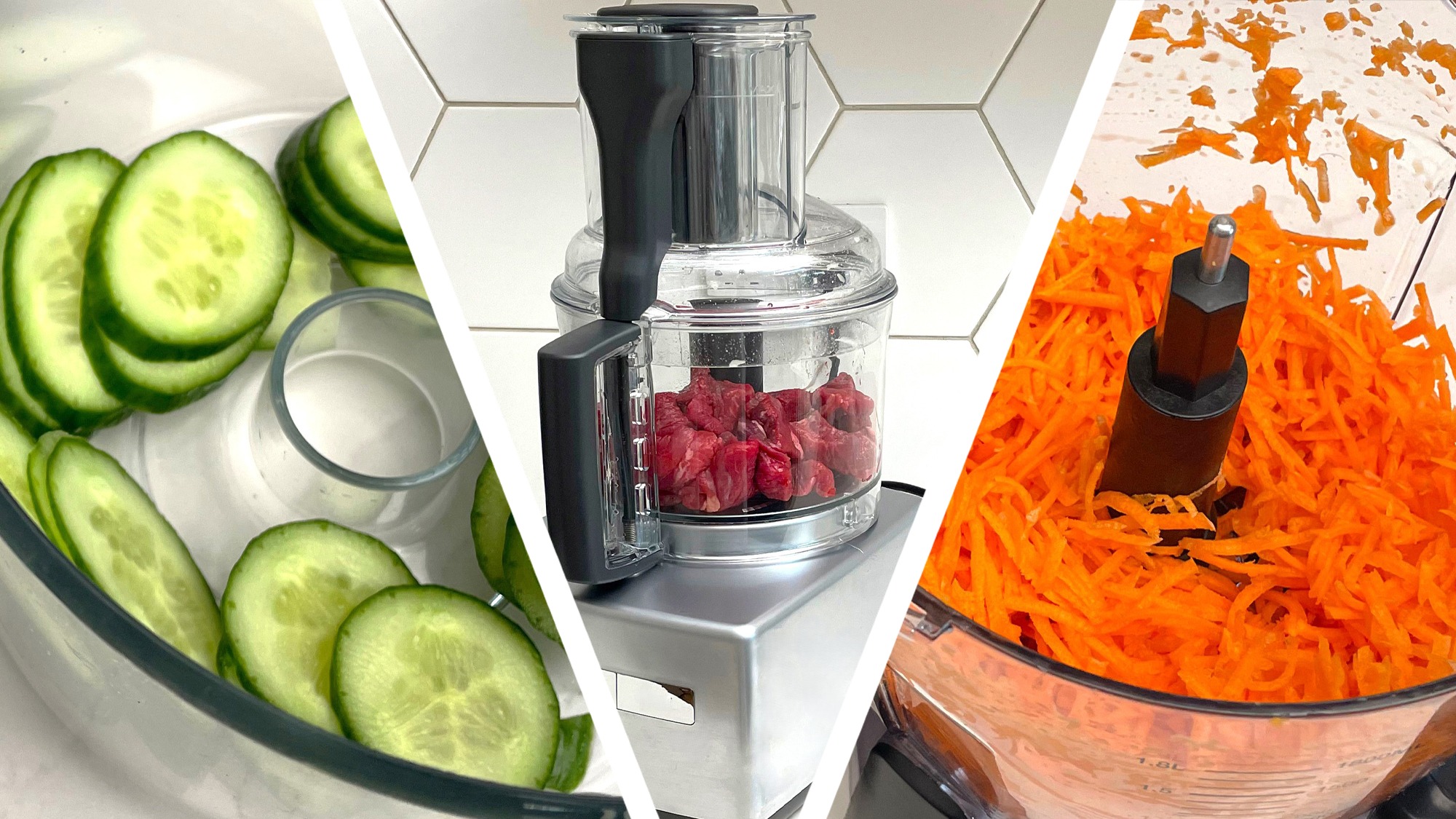
A compact food processor is essentially a scaled-down version of its larger, more powerful counterparts, typically featuring a bowl capacity ranging from 3 to 5 cups. Don’t let its size fool you; these smaller machines are engineered for efficiency, specializing in processing smaller batches of ingredients with precision and speed. They’re built for the everyday tasks that often consume the most time in the kitchen – think chopping herbs, mincing garlic, grinding spices, or whipping up a quick sauce. It’s the perfect solution for individuals, couples, or anyone with limited kitchen real estate who still wants to enjoy the benefits of advanced food preparation.
Why Choose a Compact Food Processor? The Undeniable Benefits
The allure of a compact food processor extends far beyond its diminutive stature. It offers a suite of advantages that cater directly to the needs of modern home cooks:
- Space-Saving Design: This is perhaps the most obvious benefit. A compact unit tucks away neatly in a cabinet or sits unobtrusively on your counter, freeing up valuable space that a larger appliance would consume.
- Effortless Small-Batch Prep: Whether you’re making pesto for two, a handful of breadcrumbs, or mincing a single onion, a compact model handles these tasks with ease, preventing you from dirtying a larger machine or, worse, doing it by hand.
- Quick Cleanup: Smaller parts mean less scrubbing! Many components of a compact food processor are dishwasher safe, making post-cooking cleanup a breeze.
- Energy Efficiency: Generally, these smaller processors require less power than their full-sized relatives, potentially saving a tiny bit on your energy bill while still delivering robust performance for their intended tasks.
- Versatility for Specific Tasks: While not designed for kneading large batches of dough, a compact food processor excels at a surprising array of functions, from emulsifying dressings to creating smooth baby food.
Decoding Features: What to Look for in Your Compact Food Processor
Choosing the right compact food processor means understanding the key features that truly matter. Here’s what to keep in mind when you’re ready to invest:
- Bowl Capacity: While “compact” implies smaller, capacities can still vary. A 3-cup model is perfect for single servings or quick mincing, while a 5-cup capacity offers a bit more flexibility for slightly larger recipes.
- Motor Power (Wattage): Don’t get hung up on massive wattage; for a compact unit, a motor between 250-400 watts is typically more than sufficient to handle chopping, grinding, and pureeing common ingredients.
- Blade Quality: A high-quality, durable stainless steel blade is non-negotiable. Look for blades that are sharp and designed for efficient processing without needing constant sharpening.
- Ease of Use & Cleaning: Simple assembly and disassembly are crucial. Components that are dishwasher-safe will save you precious time and effort.
- Controls: Most compact food processors feature straightforward pulse and continuous ‘on’ buttons. The pulse function is particularly important for precise control over texture.
- Stability: A non-slip base or suction feet ensure the unit stays firmly on your counter during operation, preventing accidents and making for safer use.
- Brand Reputation: Stick with reputable brands known for kitchen appliances. They often offer better warranty support and more reliable products.
Mastering Your Compact Food Processor: Tips and Tricks
Getting the most out of your compact food processor involves a few simple techniques that can elevate your culinary game:
- Pre-cut Ingredients: While a food processor can handle chunks, pre-cutting larger ingredients into roughly 1-inch pieces will ensure more even processing and prevent the motor from straining.
- Don’t Overfill: Resist the urge to pack the bowl to the brim. Overfilling can lead to uneven processing, leaving some ingredients chunky while others are pureed. Follow the manufacturer’s maximum fill lines.
- Use the Pulse Function for Precision: The pulse button is your best friend. Instead of continuous processing, short, quick pulses give you greater control over the texture, whether you want a coarse chop or a fine mince.
- Add Liquids Gradually: When making dressings or sauces, pour liquids through the feed tube (if available) or incrementally while pulsing. This helps in emulsifying and achieving a smooth consistency.
- Safety First: Always ensure the lid is properly locked in place before operating, and never try to dislodge food with your fingers while the blades are spinning. Unplug the unit before handling blades or removing food.
Beyond the Basics: Delicious Dishes with Your Compact Food Processor
A compact food processor isn’t just for mundane chopping; it’s a gateway to creating a variety of fresh, homemade delights:
- Pesto & Dips: From vibrant basil pesto to creamy hummus, the compact food processor whips up these favorites in minutes.
- Nut Butter: Craving fresh almond or peanut butter? Your compact unit can transform roasted nuts into creamy spreads.
- Breadcrumbs & Spice Blends: No more buying pre-made. Turn stale bread into fresh breadcrumbs or grind whole spices for custom blends.
- Baby Food: For new parents, it’s perfect for pureeing small batches of fruits and vegetables into nutritious, homemade baby food.
- Dressings & Sauces: Quickly emulsify vinaigrettes, blend ingredients for marinades, or create rich gravies.
- Small Batches of Chopped Veggies/Fruits: Effortlessly chop onions, carrots, celery, or fruits for salads, stir-fries, or garnishes without bringing out a large machine.
Keeping It Pristine: Care and Maintenance for Your Compact Ally
Regular cleaning and proper maintenance will ensure your compact food processor remains a reliable kitchen companion for years to come.
- Immediate Cleaning After Use: Don’t let food dry onto the blades or bowl. A quick rinse immediately after use makes cleanup significantly easier.
- Dishwasher vs. Hand Washing: Always check your manual. Many bowls, lids, and blades are top-rack dishwasher safe, but hand washing can often extend their lifespan, especially for sharp blades.
- Blade Care: Be extremely careful when handling blades. Use a brush or sponge to clean around them, avoiding direct contact with the sharp edges. Store them safely to prevent dulling or injury.
- Motor Base Cleaning: The motor base should never be submerged in water. Wipe it clean with a damp cloth, ensuring no liquids seep into the motor housing.
- Storage Tips: Store your compact food processor assembled or with its parts neatly nested to prevent losing components and to protect the blades.
Compact Food Processor vs. Its Kitchen Cousins: When Does It Shine?
It’s easy to get confused with the array of kitchen gadgets available. Here’s how the compact food processor stands out:
- Compared to Full-Sized Food Processors: The compact version is smaller, lighter, and more convenient for daily, small-scale tasks. Full-sized models are better for large families, entertaining, or tasks like kneading dough and shredding large quantities.
- Compared to Blenders: Blenders are designed for liquids and creating smooth concoctions like smoothies and soups. Food processors, especially compact ones, excel at processing solids – chopping, mincing, grinding, and pureeing thick mixtures.
- Compared to Mini Choppers: While often used interchangeably, a compact food processor typically has a more robust motor and better-quality blades, offering greater versatility beyond just basic chopping. Mini choppers are usually simpler, less powerful, and less expensive.
Expert Insight: The KitchenPro Take
“In today’s fast-paced world, and especially with smaller living spaces becoming more common, the compact food processor isn’t just a gadget; it’s an essential tool that empowers home cooks to embrace healthier, more efficient meal prep without sacrificing precious counter space. It truly bridges the gap between manual effort and high-volume machines, making gourmet accessible.” – Chef Leo Maxwell, Culinary Director at KitchenPro.
Frequently Asked Questions About Compact Food Processors
Q: Can a compact food processor knead dough?
A: Generally, no. While some might handle very small, soft doughs, their motors aren’t powerful enough and their bowls aren’t large enough for typical dough kneading. This is best left to full-sized food processors or stand mixers.
Q: Is a compact food processor worth it for a single person?
A: Absolutely! For single servings or small-batch cooking, a compact food processor is incredibly useful, saving time on prep and cleanup compared to a larger machine or manual chopping.
Q: How do I clean the blades safely?
A: Always handle blades with extreme caution. After unplugging the unit, remove the blade, and use a stiff brush or a sponge with a handle to clean it under running water, avoiding direct contact with the sharp edges. Many are top-rack dishwasher safe.
Q: What’s the best capacity for a compact food processor?
A: For most users, a 3-cup to 5-cup capacity offers the best balance. 3 cups are great for very small tasks, while 5 cups give a bit more flexibility for slightly larger recipes without taking up much more space.
Q: Can I make hot soup in a compact food processor?
A: It’s generally not recommended to process very hot liquids in a food processor due to potential pressure buildup and safety concerns. Always allow hot ingredients to cool down before processing.
Concluding Thoughts: Embrace the Power of Compact Efficiency
The compact food processor is more than just a convenience; it’s a testament to smart kitchen design, offering powerful performance in a footprint that respects your space. It’s an invaluable tool for anyone looking to streamline their cooking, expand their culinary repertoire, and enjoy the freshness of homemade ingredients without the fuss of larger appliances. From mincing garlic to whipping up a batch of homemade pesto, this small but mighty machine is ready to transform your daily kitchen routine. So, if you’re ready to simplify your prep and maximize your space, it’s time to welcome a compact food processor into your kitchen and experience the difference it makes.