Welcome to KitchenPro! As someone who’s spent over 15 years immersed in the world of kitchen equipment, I’ve seen firsthand how a well-chosen appliance can utterly transform a professional kitchen. When it comes to efficiency, versatility, and consistency, few machines rival the power of a Commercial Food Processor. If you’re running a restaurant, catering business, or any food service operation, understanding the true value of a commercial food processor isn’t just about owning a piece of equipment; it’s about optimizing your culinary workflow and elevating the quality of every dish you serve.
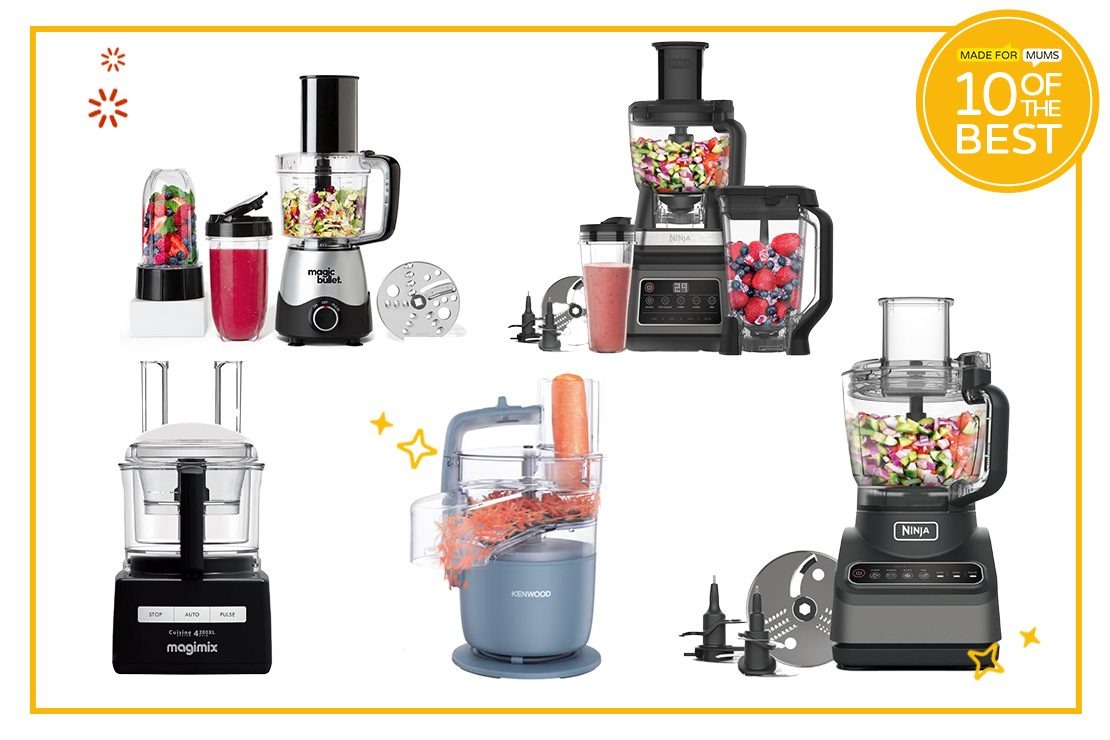
At its core, a commercial food processor is a workhorse designed to handle the rigorous demands of high-volume food preparation. Unlike their residential counterparts, these machines are built for endurance, power, and precision, capable of processing large quantities of ingredients quickly and consistently. Think about the countless hours spent chopping, slicing, dicing, grating, puréeing, and mixing by hand—a commercial food processor can condense that labor into mere minutes, freeing up your team for more intricate tasks. It’s not just a convenience; it’s a strategic investment in your kitchen’s productivity and profitability.
What Makes a Commercial Food Processor Indispensable?
A commercial food processor is far more than just a fancy blender. It’s an all-in-one prep station that dramatically cuts down on manual labor, offering unparalleled consistency in food preparation. From finely chopping herbs for a delicate sauce to slicing pounds of vegetables for a salad bar, its capabilities are vast and varied.
What exactly does a commercial food processor do? It excels at a wide range of tasks:
- Slicing: Uniformly slice vegetables like cucumbers, potatoes, or bell peppers.
- Shredding: Quickly shred cheese, carrots, or cabbage for slaws and toppings.
- Chopping & Mincing: Dice onions, garlic, and herbs in seconds.
- Grinding: Turn nuts into butter or meats into ground mixtures.
- Puréeing: Create smooth sauces, soups, and baby food.
- Mixing & Kneading: Prepare doughs for bread or pastries with ease.
The importance of a commercial food processor cannot be overstated in a busy kitchen. It’s the silent hero that ensures every ingredient is prepped to perfection, allowing chefs to focus on flavor development and presentation rather than tedious manual labor.
Exploring the Different Types of Commercial Food Processors
When considering a commercial food processor, you’ll primarily encounter two main types, along with combination models, each designed to suit different operational needs. Understanding these distinctions is crucial for making the right choice for your kitchen.
Batch Bowl Food Processors
What is a batch bowl food processor?
A batch bowl commercial food processor features a sealed bowl where ingredients are placed and processed in distinct batches. Once processed, the ingredients are removed, and the bowl is then ready for the next batch.
These are incredibly versatile for general prep tasks like puréeing soups, making hummus, chopping nuts, or mixing dough. They come in various capacities, typically measured in quarts, making them suitable for kitchens that handle diverse ingredients in manageable quantities. Their sealed design also makes them excellent for wet ingredients or creating emulsions without spills.
Continuous Feed Food Processors
How does a continuous feed food processor work?
A continuous feed commercial food processor allows you to continuously add ingredients through a feed tube while the machine is running, with processed food exiting into a separate container below the blades. This means you don’t have to stop and empty the bowl.
These are ideal for high-volume slicing and shredding tasks, such as preparing large quantities of vegetables for salads, pizzas, or stir-fries. They significantly boost throughput for single-task processing and are often favored in delis, salad bars, or larger institutional kitchens where consistency in size and speed are paramount.
Combination Food Processors
Are combination commercial food processors effective?
Yes, combination commercial food processors offer the best of both worlds, featuring both a batch bowl for processing and a continuous feed chute for high-volume slicing and shredding. This provides maximum flexibility for kitchens with varied demands.
These versatile machines are perfect for operations that need to switch between different prep tasks throughout the day without having to invest in two separate appliances. They save space and offer comprehensive functionality, making them a popular choice for many mid-to-large-sized restaurants.
“Choosing the right type depends entirely on your kitchen’s daily rhythm,” advises Chef Marcus Thorne. “Do you need to purée sauces one minute and slice a case of tomatoes the next? A combination unit might be your best friend.”
Key Features to Consider When Buying a Commercial Food Processor
Navigating the market for a commercial food processor can feel overwhelming, but focusing on key features will help you pinpoint the perfect model.
Power and Motor
Why is motor power important in a commercial food processor?
The motor’s horsepower (HP) dictates the machine’s ability to handle tough ingredients and heavy workloads. Commercial kitchens need robust motors, typically ranging from 3/4 HP to 3 HP or more, to prevent bogging down during peak hours and ensure longevity. A more powerful motor means greater efficiency and less strain on the machine.
Capacity
How do I choose the right capacity for my commercial food processor?
Capacity, measured in quarts or liters for batch bowl models, should align with your average batch size. For continuous feed, consider the size of the feed chute. Smaller kitchens might opt for 2-4 quart models, while larger operations could require 6-20 quart machines. Oversizing can lead to wasted space and energy, while undersizing will result in multiple batches and lost time.
Blade and Disc Attachments
What blade attachments are essential for a commercial food processor?
A commercial food processor is only as good as its attachments. Look for a wide array of durable, sharp stainless steel blades and discs designed for slicing, shredding, grating, julienning, and even whipping. Key attachments often include S-blades for chopping and mixing, and various discs for specific cuts. The ease of changing these attachments is also a significant factor in a busy kitchen.
Durability and Construction
What materials make a commercial food processor durable?
Commercial units are built for heavy use, so look for heavy-duty construction with robust materials like die-cast metal bases, durable polycarbonate bowls, and strong motors. These materials ensure the machine can withstand constant operation, resist corrosion, and maintain stability during processing. A solid construction is a hallmark of a long-lasting commercial food processor.
Safety Features
What are the crucial safety features for a commercial food processor?
Safety in a professional kitchen is paramount. Essential safety features include interlocking lids that prevent operation unless securely fastened, thermal overload protection to prevent motor burnout, and sturdy non-slip bases for stability. Large pushers to keep hands away from blades and clear controls are also vital for user safety.
Ease of Cleaning
Why is ease of cleaning important for a commercial food processor?
In a commercial kitchen, sanitation and efficiency go hand-in-hand. Look for models with easily removable, dishwasher-safe parts and smooth surfaces that minimize food traps. A food processor that’s quick and easy to disassemble and clean saves valuable time and ensures adherence to strict hygiene standards.
Master Your Machine: Effective Usage Tips for Your Commercial Food Processor
Getting the most out of your commercial food processor means understanding how to use it safely and efficiently. It’s more than just pressing a button; it’s about technique.
- Read the Manual: This seems obvious, but every commercial food processor has unique nuances. Familiarize yourself with its specific functions, safety warnings, and recommended usage.
- Prep Your Ingredients: Cut larger items into pieces that comfortably fit the feed tube. This prevents jamming and ensures even processing.
- Choose the Right Blade/Disc: Using the correct attachment for the task at hand is critical for desired results and preventing undue stress on the motor.
- Don’t Overload: While powerful, overloading the bowl can lead to inconsistent results, strain the motor, and potentially damage the machine. Process in batches if necessary.
- Steady Pressure for Continuous Feed: When using the continuous feed chute, apply steady, even pressure with the pusher for uniform slices or shreds.
- Pulse for Control: For chopping or mincing, use the pulse function to gain greater control over the texture, preventing ingredients from turning to purée inadvertently.
- Safety First: Always ensure the lid is properly locked before operating. Never use your hands to push food down the chute; always use the provided pusher.
“Think of your commercial food processor as an extension of your culinary team,” says Chef Thorne. “Proper technique isn’t just about efficiency; it’s about respecting the machine and ensuring its longevity.”
Keeping It Pristine: Maintenance and Cleaning for Your Commercial Food Processor
Regular maintenance and thorough cleaning are non-negotiable for any commercial kitchen equipment, and your commercial food processor is no exception. This ensures longevity, optimal performance, and strict hygiene.
Daily Cleaning Routine
- Unplug: Always unplug the unit before disassembly and cleaning.
- Disassemble: Carefully remove the bowl, lid, and blades/discs.
- Wash Immediately: Rinse all parts under warm running water to remove food residue before it dries. Wash with hot, soapy water, using a brush for hard-to-reach areas. Be extremely careful with sharp blades.
- Sanitize: After washing, sanitize all food-contact parts according to your kitchen’s hygiene protocols, typically using a food-safe sanitizing solution.
- Dry Thoroughly: Allow all parts to air dry completely or dry by hand to prevent water spots and bacterial growth.
- Clean the Base: Wipe down the motor base with a damp cloth, ensuring no water enters the motor housing.
Regular Maintenance Tips
- Inspect Blades: Periodically check blades and discs for dullness, nicks, or damage. Sharp blades ensure efficient processing and prevent motor strain. Replace dull blades promptly.
- Check Seals and Gaskets: Ensure seals on the bowl and lid are intact and free of cracks, which can lead to leaks.
- Lubrication (if applicable): Some models may require periodic lubrication of certain parts; consult your owner’s manual.
- Store Properly: Store blades safely to prevent accidental injury and maintain their sharpness.
A well-maintained commercial food processor is a reliable one, always ready to tackle the next task.
Culinary Creativity: Dishes You Can Make with a Commercial Food Processor
The true magic of a commercial food processor lies in its ability to unlock endless culinary possibilities, streamlining the creation of diverse menu items.
- Sauces and Dips: From vibrant pestos and smooth hummus to rich mayonnaise and zesty salsas, a commercial food processor makes these foundational elements in minutes.
- Soups and Purées: Achieve silky-smooth textures for bisque, cream of mushroom soup, or vegetable purées without tedious hand mashing or straining.
- Dough and Batters: Effortlessly knead bread dough, pie crusts, or mix cake batters with perfect consistency, saving significant time and effort compared to manual methods.
- Salads and Slaws: Rapidly slice and shred large quantities of cabbage, carrots, onions, and other vegetables for fresh, crisp salads and coleslaws.
- Meat Preparations: Grind meats for homemade sausages, meatballs, or pâtés, giving you control over texture and ingredients.
- Nut Butters and Spreads: Create fresh almond butter, cashew cream, or other specialty spreads for healthy menu options.
- Desserts: Process cookies for crusts, chop nuts for toppings, or even make fruit sorbets.
“The commercial food processor isn’t just about speed; it’s about elevating your menu,” Chef Thorne notes. “The consistent cuts and textures allow for more refined presentations and reliable flavor delivery in every dish.”
The Undeniable Benefits of a Commercial Food Processor in Your Kitchen
Integrating a commercial food processor into your operation offers a cascade of advantages that directly impact your bottom line and culinary output.
Boosted Efficiency and Time Savings
This is perhaps the most significant benefit. What would take a skilled prep cook hours to do by hand—think chopping five pounds of onions or slicing twenty heads of cabbage—a commercial food processor can accomplish in minutes. This speed translates directly into more time for menu development, cooking, and service.
Consistent Results
One of the hallmarks of professional cooking is consistency. A commercial food processor ensures every slice, chop, and shred is uniform in size and texture. This not only makes dishes look more appealing but also guarantees even cooking and reliable flavor profiles, a crucial factor for customer satisfaction and brand reputation.
Reduced Labor Costs
By automating repetitive and labor-intensive prep tasks, a commercial food processor allows you to optimize your labor force. Prep cooks can be reallocated to more complex or value-added tasks, reducing the overall hours spent on basic preparation and potentially lowering your labor expenses.
Versatility in Menu Preparation
With its array of blades and attachments, a commercial food processor is incredibly versatile. It enables you to expand your menu offerings without adding specialized equipment. From appetizers to desserts, its capabilities cover a vast range of culinary needs, fostering creativity and innovation in your kitchen.
Enhanced Safety
While manual chopping carries a high risk of cuts, using a commercial food processor, when operated correctly with its built-in safety features, significantly reduces the chance of workplace injuries related to knife work.
Commercial Food Processor vs. Other Kitchen Appliances
While many kitchen appliances share some functions, a commercial food processor carves out its unique niche due to its power, versatility, and focus on prep.
Food Processor vs. Blender
What’s the difference between a commercial food processor and a commercial blender?
A commercial blender excels at liquefying ingredients, making smoothies, puréeing soups, and crushing ice. Its strength lies in creating smooth, uniform liquids. A commercial food processor, on the other hand, is designed for solid food preparation—slicing, shredding, chopping, and mixing dough—where texture, rather than liquid smoothness, is the primary goal. While some tasks overlap (like making a chunky salsa), their core functionalities are distinct.
Food Processor vs. Stand Mixer
When should I use a commercial food processor instead of a stand mixer?
A commercial stand mixer is primarily for mixing, whipping, and kneading large quantities of batter or dough. While some food processors can knead dough, a stand mixer is generally more robust and better suited for heavy-duty dough work over extended periods. The food processor’s strength lies in its ability to chop, slice, and shred, tasks a stand mixer cannot perform.
Frequently Asked Questions About Commercial Food Processors
1. How often should I sharpen the blades of my commercial food processor?
The frequency depends on usage and the types of ingredients processed. In a busy commercial kitchen, it’s advisable to check blades monthly and sharpen or replace them as soon as you notice a decrease in performance or uneven cuts, typically every 6-12 months for heavy users.
2. Can a commercial food processor handle frozen ingredients?
While powerful, most commercial food processors are not designed to process hard-frozen blocks of food directly. It’s best to allow frozen ingredients to thaw partially or cut them into smaller pieces to avoid damaging the blades or motor. Always consult your specific model’s manual.
3. What is the average lifespan of a commercial food processor?
With proper maintenance, a high-quality commercial food processor can last 5-10 years or even longer in a demanding kitchen environment. Factors like usage intensity, adherence to maintenance schedules, and the initial build quality significantly influence its lifespan.
4. Are all commercial food processor parts dishwasher safe?
Many food-contact parts of commercial food processors, such as bowls, lids, and some discs, are dishwasher safe. However, always verify this in your appliance’s manual, especially for blades, which often benefit from handwashing to preserve their sharpness and finish. The motor base should never be put in a dishwasher.
5. How much space does a commercial food processor require?
Commercial food processors vary in size. While some compact models can fit on standard countertops, larger continuous feed or high-capacity batch models might require dedicated counter space or even a small cart. Consider both the footprint and the clearance needed for the feed tube and bowl removal when planning your kitchen layout.
Final Slice: The Indispensable Commercial Food Processor
As a veteran of the kitchen equipment industry and a passionate advocate for efficient cooking, I can confidently say that a commercial food processor is one of the most impactful investments you can make for your culinary operation. It’s more than just a machine; it’s a strategic partner that empowers your kitchen with speed, consistency, and versatility. By significantly reducing prep time and labor, it allows your team to focus on the art of cooking, leading to higher quality dishes and a more profitable business.
Whether you’re puréeing a delicate sauce, slicing pounds of vegetables, or kneading dough for the day’s fresh bread, a well-chosen commercial food processor will become the cornerstone of your prep station. Don’t just cook; optimize your kitchen workflow and elevate every meal. Take the leap, invest in the right commercial food processor, and experience the transformative power it brings to your culinary endeavors. Your kitchen, and your customers, will thank you for it.