Stepping into a bustling professional kitchen, you quickly realize that time is money, and efficiency is the secret sauce. While a chef’s skill is irreplaceable, the right tools can elevate an operation from good to exceptional. Among these indispensable allies, the commercial food processor stands out as a true workhorse, transforming tedious prep work into swift, consistent culinary creation. If you’re pondering which robust machine can truly revolutionize your restaurant, catering service, or institutional kitchen, you’ve come to the right place. As a kitchen equipment consultant with over 15 years under my belt, and a content creator for “KitchenPro,” I’m here to demystify the world of commercial food processors, helping you uncover the perfect fit for your demanding environment.
|
Our Picks for the Best Food Processor in 2026
As an Amazon Associate I earn from qualifying purchases.
|
||
| Num | Product | Action |
|---|---|---|
| 1 | 3-in-1 Professional Stainless Steel Kitchen Food Processor, Mixer, Juicer and Food Processor Blender for Fruit, Vegetable and Food Processing – Multi-Function Kitchen Appliance |

|
| 2 | BLACK+DECKER 8-Cup Food Processor, Easy Assembly, Stainless Steel S-Blade, Shred, Slice, Chop, Puree, 450W Motor |
|
| 3 | Hamilton Beach Stack & Snap Food Processor and Vegetable Chopper, BPA Free, Stainless Steel Blades, 12 Cup Bowl, 2-Speed 450 Watt Motor, Black (70725A) |
|
| 4 | Hamilton Beach Stack & Snap Food Processor and Vegetable Chopper, Stainless Steel Blades, 14 Cup + 4-Cup Mini Bowls, 3-Speed 500 Watt Motor, Black (70585) |
|
| 5 | Commercial Food Processor, 250W Heavy Duty Electric Meat Grinders with 1500RPM Blade Speed, 6QT Stainless Steel Food Bowl and 0-15 Mins Timer, Commercial Vegetable Chopper Food Mixer Machine |
|
| 6 | FOHERE Food Processor, 12 Cup, 2-in-1 Feed Chute Vegetable Chopper & Meat Grinder for Mincing, Dicing, Shredding, Puree & Kneading Dough, Stainless Steel |
|
| 7 | Ninja Food Processor, Professional Plus, 1000 Peak Watts, 4 Functions for Chopping, Slicing, Purees & Dough with 9-Cup Processor Bowl, 3 Blades, Food Chute & Pusher, Silver, BN601 |
|
| 8 | Hamilton Beach Food Processor & Vegetable Chopper for Slicing, Shredding, Mincing, and Puree, 10 Cups + Easy Clean Bowl Scraper, Black and Stainless Steel (70730) |
|
| 9 | GANIZA Food Processors, Electric Food Chopper with Meat Grinder & Vegetable Chopper - 2 Bowls (8 Cup+8 Cup) with Powerful 450W Copper Motor - Includes 2 Sets of Bi-Level Blades for Fruits/Meat/Nuts |
|
| 10 | GROWNSY Baby Food Maker with Steam Basket, One Step Baby Food Processor Steamer Puree Blender Grinder Mills Machine, Auto Cooking Grinding and Sterili-zing for Healthy Homemade Baby Food, BPA-Free |
|
Why Your Business Needs a Commercial Food Processor
In the high-speed rhythm of a commercial kitchen, every second counts. Manual chopping, slicing, and dicing for large quantities don’t just consume precious time; they also introduce inconsistencies and put a strain on your staff. A commercial food processor is engineered to tackle these challenges head-on, offering a suite of benefits that directly impact your bottom line.
What exactly makes these machines so vital? A commercial food processor is a heavy-duty, motorized appliance designed for rapid, repetitive, and large-volume food preparation tasks. Unlike its smaller home-kitchen counterpart, it boasts powerful motors, larger capacities, and robust construction to withstand continuous use throughout the busiest shifts.
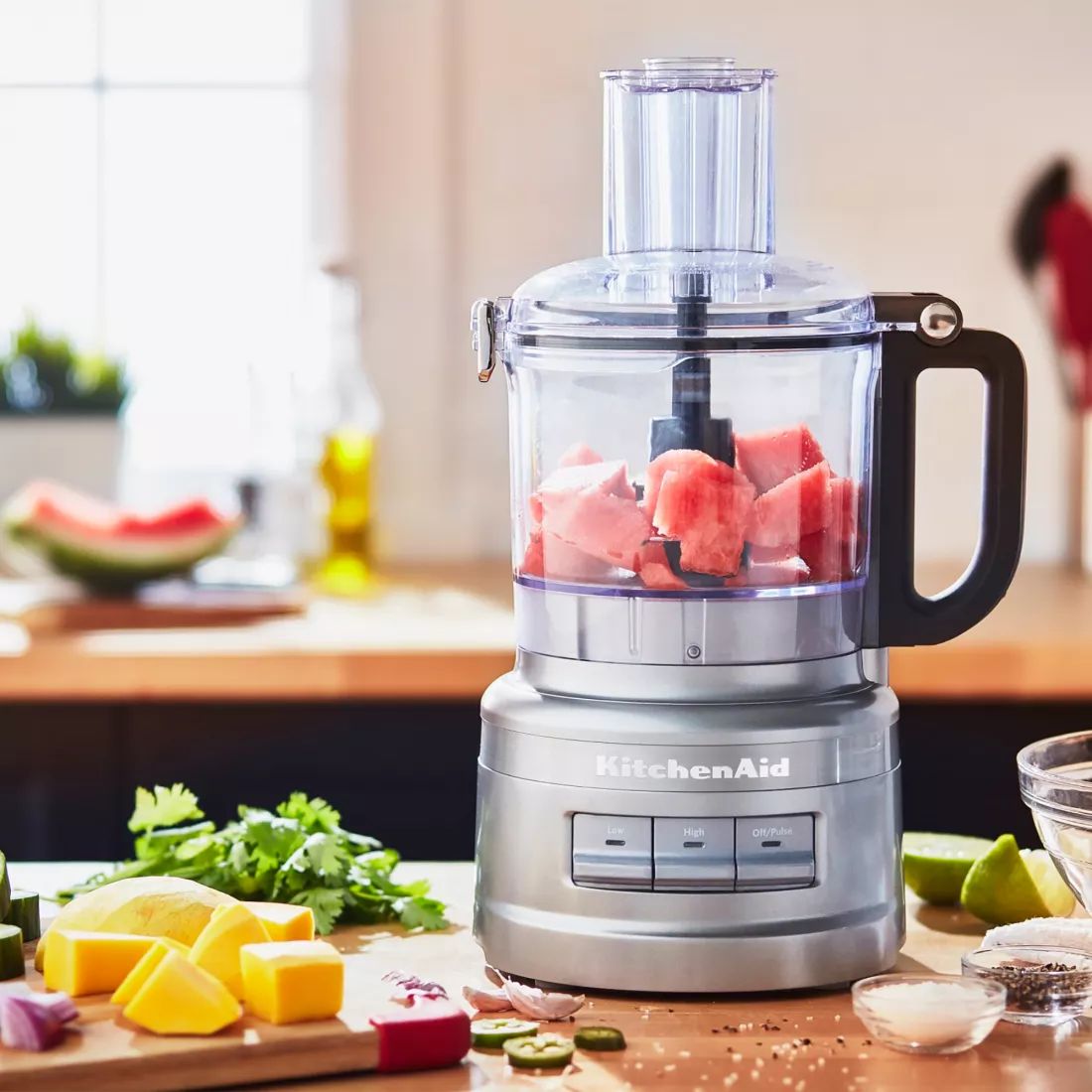
- Unmatched Efficiency: Imagine chopping pounds of onions or shredding blocks of cheese in mere minutes instead of a painstaking half-hour. Commercial food processors drastically cut down prep time, allowing your culinary team to focus on cooking, plating, and innovation rather than repetitive manual labor. This speed is paramount during peak hours when every order demands swift execution.
- Superior Consistency: Achieving uniform cuts and textures across all dishes is a hallmark of professional quality. A food processor delivers consistent results batch after batch, ensuring that your mirepoix is always perfectly diced, your purees are flawlessly smooth, and your sliced vegetables have the exact same thickness. This consistency is crucial for maintaining your brand’s quality and ensuring customer satisfaction.
- Exceptional Versatility: Far from being a one-trick pony, many commercial food processors are multifunctional powerhouses. With a variety of interchangeable blades and discs, a single machine can chop, slice, shred, grate, julienne, dice, puree, emulsify, and even knead dough. This versatility means less equipment clutter and more efficient use of valuable kitchen space.
- Reduced Labor Costs: By automating labor-intensive tasks, these machines allow you to optimize your staffing. Your skilled chefs can dedicate their expertise to more complex culinary creations, while the food processor handles the groundwork, effectively maximizing productivity per employee.
- Enhanced Quality Control: Preparing ingredients in-house with a food processor gives you direct control over the freshness and quality of your food, reducing reliance on expensive, pre-packaged, and often less fresh alternatives. This directly translates to better-tasting dishes and healthier offerings for your patrons.
- Minimized Food Waste: Precision cutting and processing help reduce waste by ensuring better yield from ingredients and more accurate portion control. Every slice, shred, or dice is purposeful, maximizing the value of your raw materials.
Types of Commercial Food Processors and Their Features
Choosing the right commercial food processor requires understanding the different types available and their specific strengths. Each is designed for distinct processing needs, volumes, and kitchen layouts.
1. Batch Bowl Food Processors
These are perhaps the most common type, featuring a large, enclosed bowl where ingredients are processed.
- Ideal For: Recipes requiring precise processing times or seamless blending, such as soups, sauces, purees, pestos, and finely chopped ingredients.
- Capacity: Typically range from 2 to 5 quarts, though larger industrial versions can go up to 14 quarts or more.
- Features: Come with a variety of S-blades for chopping and pureeing, along with discs for slicing, grating, and shredding.
2. Continuous Feed Food Processors
Designed for high-volume operations where speed and uninterrupted workflow are critical.
- Ideal For: Repetitive tasks like slicing large quantities of vegetables for salads, shredding cheese, or julienning carrots. Ingredients are fed through a chute, and the processed food is ejected into a separate container.
- Features: Focus on rapid processing with various discs for slicing, shredding, grating, and specialty cuts. They minimize downtime as you don’t need to empty a bowl between batches.
3. Combination Food Processors
The best of both worlds, these units offer the flexibility of both batch bowl and continuous feed functionalities on a single base.
- Ideal For: Kitchens needing versatility to switch between high-volume slicing and precise batch processing for sauces or dough.
- Features: Often come with interchangeable batch bowls and continuous feed attachments, making them incredibly adaptable.
4. Buffalo Choppers (Bowl Cutters)
These are heavy-duty machines, specifically designed for intense chopping and blending.
- Ideal For: Processing tough ingredients like meats, firm vegetables, nuts, and creating coarse spreads, pâtés, or finely minced items.
- Features: Characterized by a rotating bowl and purpose-built horizontal blades that operate at high speeds, offering exceptional control over coarseness or fineness. Capacities can be substantial, often up to 14 quarts.
5. Vertical Cutter Mixers (VCMs)
The titans of food processing, VCMs are designed for the largest batches and toughest tasks.
- Ideal For: High-volume operations like institutional cafeterias or large bakeries, capable of preparing generous batches of salad dressings, kneading dough, or large-scale pureeing.
- Capacity: Impressive capacities, often reaching up to 30 quarts.
- Features: Powerful motors, adjustable speed settings, and versatile “pulse” functions for precise control.
Key Considerations When Choosing the Best Commercial Food Processor
Selecting the ideal commercial food processor for your kitchen isn’t just about picking the most powerful model; it’s about finding the right synergy between your operational needs and the machine’s capabilities.
Motor Power (Horsepower – HP)
Think of the motor as the heart of your food processor. For commercial use, horsepower (HP) is a critical indicator of its ability to handle demanding tasks and maintain performance under continuous use.
- Light-Duty (½ to 1½ HP): Sufficient for basic chopping, shredding, and pureeing of softer ingredients.
- Medium-Duty (1½ to 2½ HP): Can handle larger batches and more challenging tasks like kneading dough or processing firmer vegetables.
- Heavy-Duty (3 to 5+ HP): Essential for high-volume kitchens, continuous operation, and tackling the toughest ingredients without burning out. As Chef Maria Rodriguez, a seasoned kitchen operations manager, often says, “Underpowering your processor is a recipe for premature burnout and frustrating downtime. Always go a step above what you think you need for commercial longevity.”
Capacity and Size
The capacity of the bowl (for batch processors) or the processing speed (for continuous feed models) should align with your daily volume and menu requirements.
- Small-to-Medium Kitchens: 2-4 quart batch bowls might suffice for specialized tasks.
- High-Volume Operations: Look for larger batch bowls (e.g., 6-14 quarts or VCMs up to 30 quarts) or robust continuous-feed models that can process hundreds of pounds per hour. Consider both countertop footprint and floor space for larger units.
Build Quality and Durability
Commercial kitchens are tough environments. Your food processor needs to be tougher.
- Construction: Look for robust, heavy-duty construction, often with metal housings (stainless steel is excellent) that can withstand constant use, impacts, and thermal shocks.
- Bowl Material: While durable plastics are common, stainless steel bowls offer superior resistance to staining, cracking, and wear, ensuring longevity and hygiene.
Versatility and Attachments
The more diverse your menu, the more attachments you’ll appreciate.
- Essential Blades: An “S”-blade is standard for chopping, mixing, and pureeing. Serrated blades are excellent for fibrous or hard foods.
- Discs: Slicing discs (look for adjustable thickness), shredding/grating discs (various sizes), julienne discs, French fry discs, and dicing kits (which require both a cutting disc and a matching grid) significantly expand capabilities.
- Dough Blades: Crucial for bakeries or kitchens that prepare bread, pizza, or pastry dough in-house.
Safety Features
Employee safety is non-negotiable.
- Secure Locking Mechanisms: Ensure the unit won’t operate unless the bowl and lid are securely locked.
- Automatic Shut-off: A vital feature to prevent injury, especially with new or untrained staff.
- Feed Chute Design: Safe and ample chutes for continuous feeding. Always use the provided food pusher, never your hands or other objects.
Ease of Cleaning and Maintenance
Hygiene and efficiency go hand-in-hand.
- Disassembly: Models that are easy to disassemble and reassemble streamline the cleaning process.
- Dishwasher-Safe Parts: Many bowls, lids, and blades are dishwasher safe, simplifying daily cleanup.
- Sealed Components: A well-sealed motor base prevents liquids from seeping in and causing damage.
Effective Usage Guide for Your Commercial Food Processor
Mastering your commercial food processor isn’t just about pushing a button; it’s about using it intelligently to maximize its potential and prolong its life.
- Read the Manual: This might sound obvious, but every commercial unit has specific instructions for assembly, operation, and care. Knowing your machine inside and out prevents common mishaps.
- Match Blade to Task: Don’t use a slicing disc for chopping. Use the correct attachment for the job. The “S” blade is for chopping, pureeing, and mixing, while various discs are for slicing, shredding, and specialty cuts.
- Don’t Overload: Filling the bowl beyond its marked capacity strains the motor and can lead to inconsistent results or even damage. Process in batches if necessary.
- Cut Ingredients Appropriately: For continuous feed models, pre-cut ingredients to fit easily into the feed chute. This prevents jamming and ensures smooth processing.
- Use the Food Pusher: Always use the designated food pusher to guide ingredients into the chute. Never use your hands or other utensils, as this is a significant safety hazard.
- Pulse for Control: The pulse function gives you short bursts of power, ideal for coarse chopping, incorporating ingredients, or achieving specific textures without over-processing.
- Regular Checks: Before each use, quickly check that all parts are correctly assembled and securely locked.
Maintenance and Cleaning Tips for Longevity
A commercial food processor is a significant investment. Proper maintenance and rigorous cleaning are paramount to ensure its longevity, optimal performance, and strict adherence to food safety standards.
Daily Maintenance
- Unplug First: Always, always unplug the unit before disassembly or cleaning. Safety is paramount.
- Disassemble Completely: Take apart all removable components: bowl, lid, blades, and discs.
- Wash and Sanitize: Wash all food-contact parts immediately after use with warm, soapy water. Use a non-abrasive brush or sponge to get into crevices. Then, sanitize them according to your kitchen’s hygiene protocols (many are dishwasher-safe).
- Wipe Down Base: Never submerge the motor base in water. Wipe it down with a damp cloth to remove any food splatter, then dry thoroughly.
- Air Dry: Allow all parts to air dry completely before reassembling or storing to prevent mold and bacterial growth.
Weekly Maintenance
- Inspect Blades: Regularly check the sharpness of your blades and discs. Dull blades force the motor to work harder, reducing efficiency and lifespan. Sharpen or replace them as needed.
- Lubricate Moving Parts: Consult your owner’s manual for specific instructions on lubricating any moving parts, especially around the motor shaft seals, to reduce friction and wear.
- Motor and Gear Inspection: Visually inspect the motor and gears for any signs of wear, blockages, or unusual residue.
Monthly / Regular Deep Cleaning
- Check Seals: Over time, motor shaft seals can wear out, allowing liquids to seep into the motor housing. Implement a schedule to inspect and replace these seals as recommended by the manufacturer.
- Mineral Buildup: In hard water areas, mineral deposits can accumulate. Use a mild descaling solution or a vinegar-and-water solution (check manual for compatibility) for deep cleaning.
As Chef Liam O’Connell, a culinary expert and restaurant consultant, emphasizes, “A well-maintained food processor is a happy food processor. Proactive care isn’t just about cleanliness; it’s about protecting your investment and preventing costly breakdowns during your busiest service.”
Dishes and Preparations You Can Master
The versatility of a commercial food processor means it can tackle an incredible array of tasks:
- Vegetable Prep: Rapidly chop onions, carrots, celery for mirepoix; slice potatoes for gratin; shred cabbage for slaw; dice tomatoes for salsa; julienne cucumbers for garnishes.
- Sauces & Spreads: Create smooth purees for soups, emulsify dressings like mayonnaise or aioli, blend pestos, hummus, and nut butters.
- Dough: Knead bread, pizza, or pastry dough perfectly, ensuring consistent texture and gluten development.
- Meats: Grind raw meats for sausages or burgers, chop cooked chicken for salads, or create finely minced ingredients for pâtés and terrines.
- Cheese: Easily shred large blocks of hard or semi-hard cheeses, saving significant time compared to manual grating.
Frequently Asked Questions About Commercial Food Processors
Q: What is the main difference between a commercial food processor and a blender?
A: While both use spinning blades, a commercial food processor is designed for precise, solid-state prep work like chopping, slicing, and shredding dry or semi-moist ingredients with its wider bowl and broader blades. A commercial blender is engineered to liquefy and emulsify, ideal for smoothies, soups, and sauces, typically requiring more liquid.
Q: How much horsepower do I need for a commercial food processor?
A: For light-duty tasks, 0.5 to 1.5 HP might suffice. Medium-duty operations often require 1.5 to 2.5 HP, especially for dough or larger batches. For high-volume, heavy-duty processing in busy kitchens, 3 to 5 HP or more is highly recommended to ensure durability and consistent performance.
Q: Can I use a home food processor in a commercial kitchen?
A: It is strongly advised against. Home food processors are not built for the continuous use, high volumes, or heavy-duty ingredients found in a commercial setting. They will quickly burn out and do not meet commercial safety or hygiene standards. Investing in a proper commercial unit is essential.
Q: How often should I replace the blades on my commercial food processor?
A: Blade replacement frequency depends on usage and the type of ingredients processed. Regularly inspect blades for dullness, nicks, or damage. Dull blades reduce efficiency and strain the motor. Sharpening is an option for some blade types, but eventually, replacement is necessary to maintain optimal performance.
Q: Are commercial food processor parts dishwasher safe?
A: Many removable parts like bowls, lids, blades, and discs are dishwasher safe. However, always consult your specific model’s owner’s manual to confirm which components are suitable for dishwasher cleaning and which require hand washing to prevent damage. The motor base is never dishwasher safe.
Q: What safety features should I look for in a commercial food processor?
A: Essential safety features include interlocking mechanisms that prevent the machine from operating unless the bowl and lid are securely in place, and an automatic shut-off to protect users. Wide and safe feed chutes, along with a dedicated food pusher, are also crucial for operator safety.
Unleash Your Kitchen’s Full Potential
The best commercial food processor isn’t just another appliance; it’s a strategic investment in the efficiency, consistency, and profitability of your culinary operation. From slashing prep times to ensuring every dish meets your exacting standards, the right machine empowers your kitchen staff and elevates your menu. By carefully considering the types, features, and maintenance needs, you can choose a powerful partner that will stand the test of time and transform your food preparation. Embrace the power of a commercial food processor, and watch your kitchen’s productivity and culinary output soar.